
Species library
255 species profiled with accurate care data. Click any species to start a specimen record pre-filled.
+ Request a species
-
 🌳 Arboreal
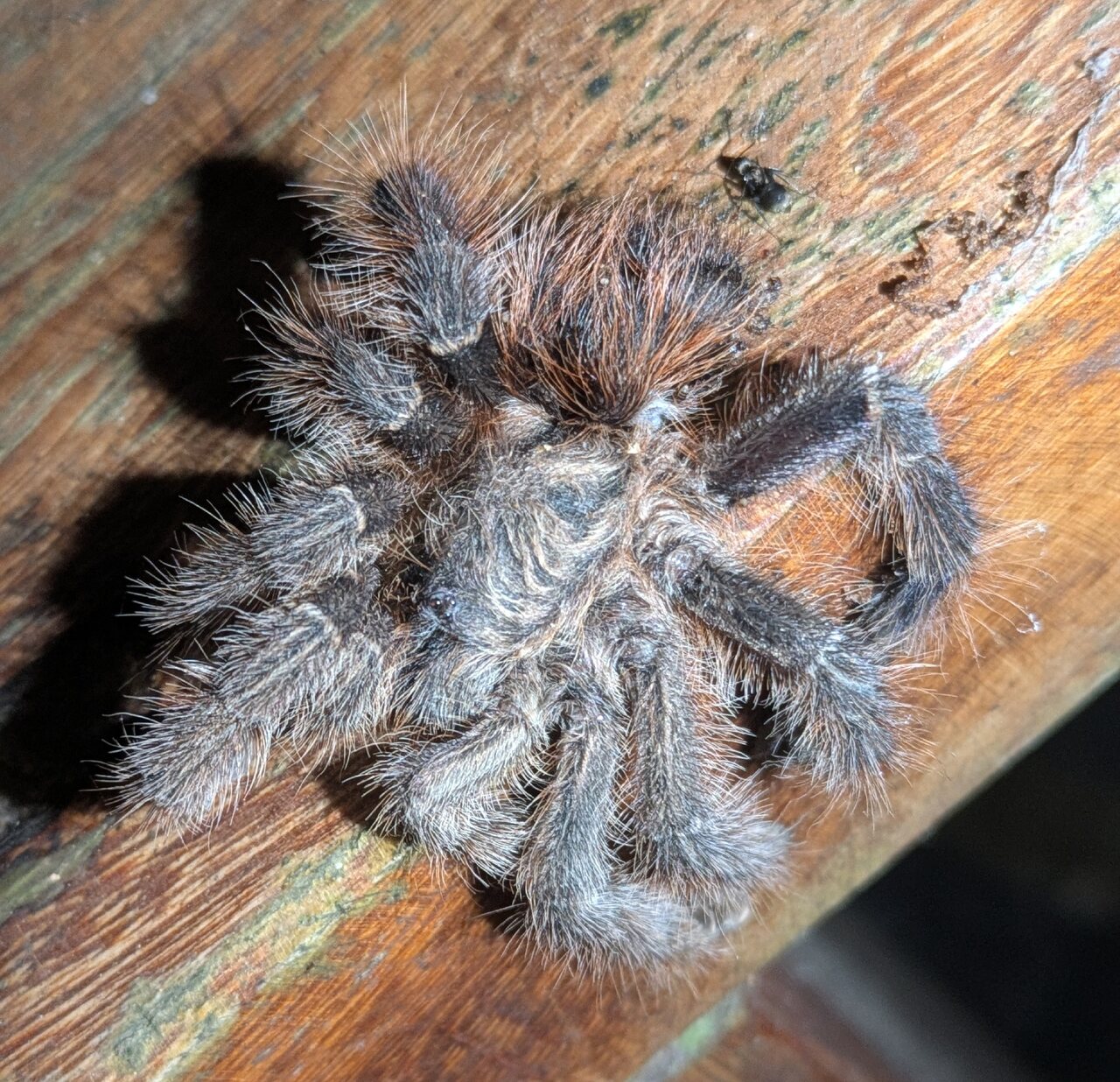
Avicularia merianae
Tarapoto Pinktoe
Beginner Forgiving of common mistakes. Tolerant of temperature/humidity variation. Great first tarantula. 🌳 Arboreal Lives above ground in trees or plants. Needs height and vertical climbing surfaces. Secure lid essential - they climb glass. 🌎 New World From the Americas: can flick urticating (irritating) hairs as a first defence, and venom is generally milder. 🟢 Docile Generally slow-moving and tolerant of handling. Rarely threatens or bites. Great for beginners. 💨 Skittish Easily startled - may bolt or dart suddenly when disturbed. Secure lids are essential as they can be escape artists. ⚡ Fast Moves very quickly, especially when startled. Can cross an enclosure in the blink of an eye. Not recommended for handling. 🕸️ Heavy webber Dense, prolific webbing behaviour. Will carpet the entire enclosure in thick silk - this is normal and healthy. Provides a visual indicator of the spider's territory.- Temp
- 21-28°C
- Humidity
- 65-80%
- Adult DLS
- 10-13 cm
- Moult
- Sling ~3w - Adult ~10mo
A proper species from the 2017 Avicularia revision, named for the naturalist Maria Sibylla Merian and found around Tarapoto, Peru. Velvety dark body shot with champagne, pink and purple iridescence and pink toe tips - the "Shadowflame" of trade lists. Among the calmest and easiest pinktoes: 10-13 cm, sits out on its web, and regularly captive-bred in the UK. Slings are the finicky stage; adults are straightforward.
-
 🌳 Arboreal
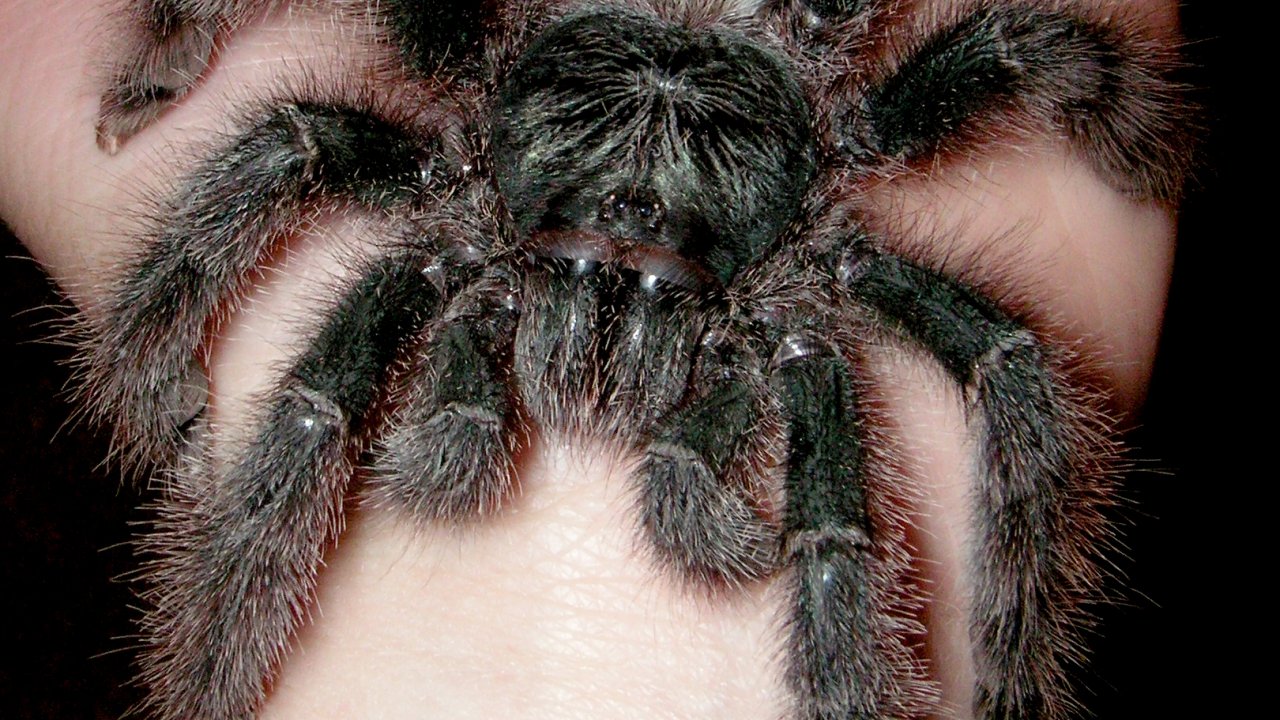
Avicularia metallica
Whitetoe / Metallica Pinktoe
Intermediate Requires consistent husbandry - more sensitive to ventilation, humidity, or feeding schedule. Some experience recommended. 🌳 Arboreal Lives above ground in trees or plants. Needs height and vertical climbing surfaces. Secure lid essential - they climb glass. 🌎 New World From the Americas: can flick urticating (irritating) hairs as a first defence, and venom is generally milder. 🟢 Docile Generally slow-moving and tolerant of handling. Rarely threatens or bites. Great for beginners. 💨 Skittish Easily startled - may bolt or dart suddenly when disturbed. Secure lids are essential as they can be escape artists. ⚡ Fast Moves very quickly, especially when startled. Can cross an enclosure in the blink of an eye. Not recommended for handling.- Temp
- 22-26°C
- Humidity
- 70-85%
- Adult DLS
- 13-15 cm
- Moult
- Sling ~3w - Adult ~8mo
Black body with metallic sheen and conspicuous white toe-tips. Same cross-ventilation rule applies.
-
 🌳 Arboreal
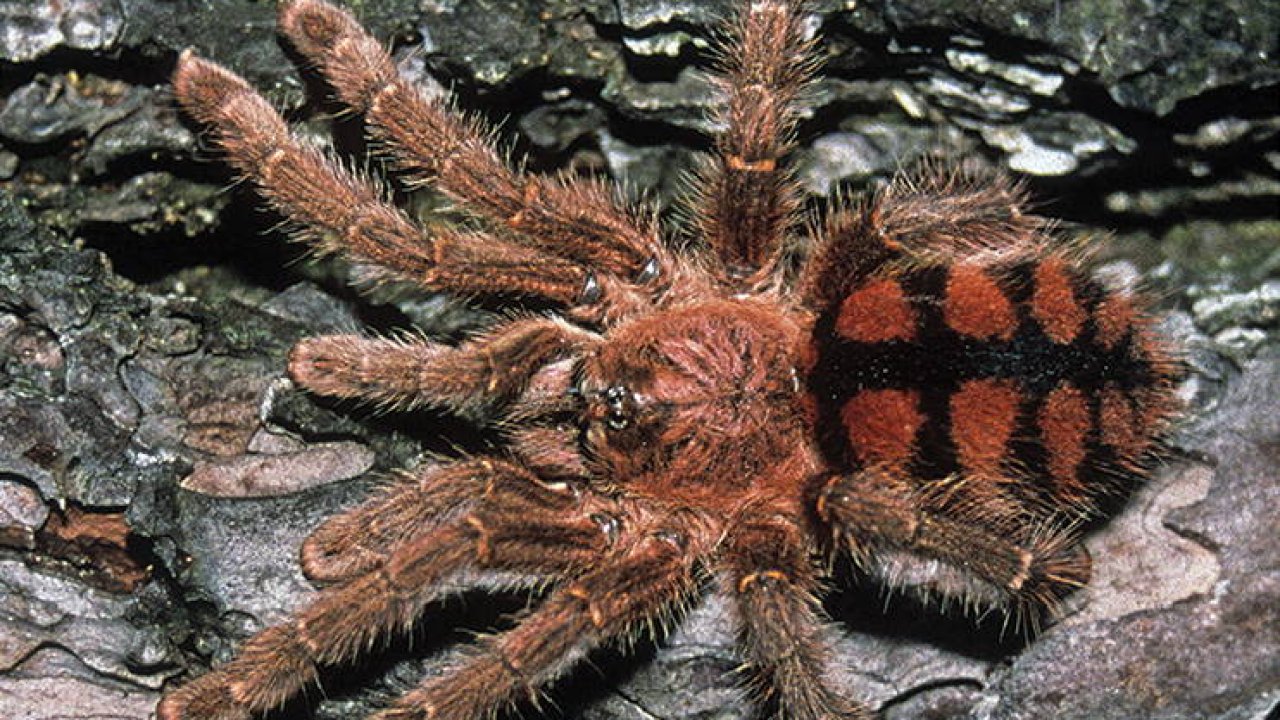
Avicularia minatrix
Venezuelan Red Stripe Pinktoe
Intermediate Requires consistent husbandry - more sensitive to ventilation, humidity, or feeding schedule. Some experience recommended. 🌳 Arboreal Lives above ground in trees or plants. Needs height and vertical climbing surfaces. Secure lid essential - they climb glass. 🌎 New World From the Americas: can flick urticating (irritating) hairs as a first defence, and venom is generally milder. 💨 Skittish Easily startled - may bolt or dart suddenly when disturbed. Secure lids are essential as they can be escape artists. ⚠️ Flicks hairs Uses urticating (barbed) hairs on the abdomen as a primary defence. These hairs can cause skin irritation and must be kept away from eyes. New World species only.- Temp
- 22-28°C
- Humidity
- 70-85%
- Adult DLS
- 14-17 cm
- Moult
- Sling ~3w - Adult ~12mo
Venezuelan redstripe - small arboreal. 25x25x40 cm tall with strong cross-ventilation, vertical cork. Mist one wall; keep the floor drier than the walls.
-
 🌳 Arboreal
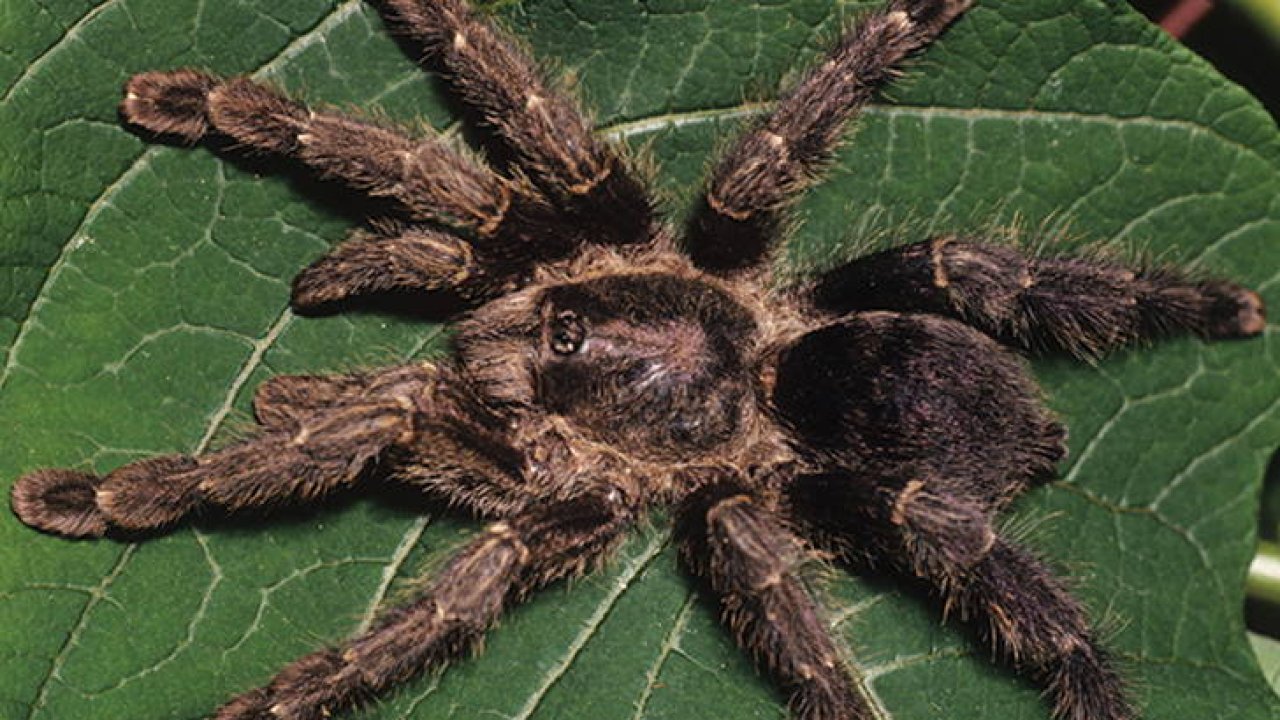
Avicularia purpurea
Purple Pinktoe
Intermediate Requires consistent husbandry - more sensitive to ventilation, humidity, or feeding schedule. Some experience recommended. 🌳 Arboreal Lives above ground in trees or plants. Needs height and vertical climbing surfaces. Secure lid essential - they climb glass. 🌎 New World From the Americas: can flick urticating (irritating) hairs as a first defence, and venom is generally milder. 💨 Skittish Easily startled - may bolt or dart suddenly when disturbed. Secure lids are essential as they can be escape artists. ⚠️ Flicks hairs Uses urticating (barbed) hairs on the abdomen as a primary defence. These hairs can cause skin irritation and must be kept away from eyes. New World species only.- Temp
- 22-28°C
- Humidity
- 70-85%
- Adult DLS
- 14-17 cm
- Moult
- Sling ~3w - Adult ~12mo
Ecuadorian purple pinktoe - warmth-loving arboreal (25-28 C). Tall airy setup with vertical cork, one side lightly misted. Sensitive to stagnant air.
-
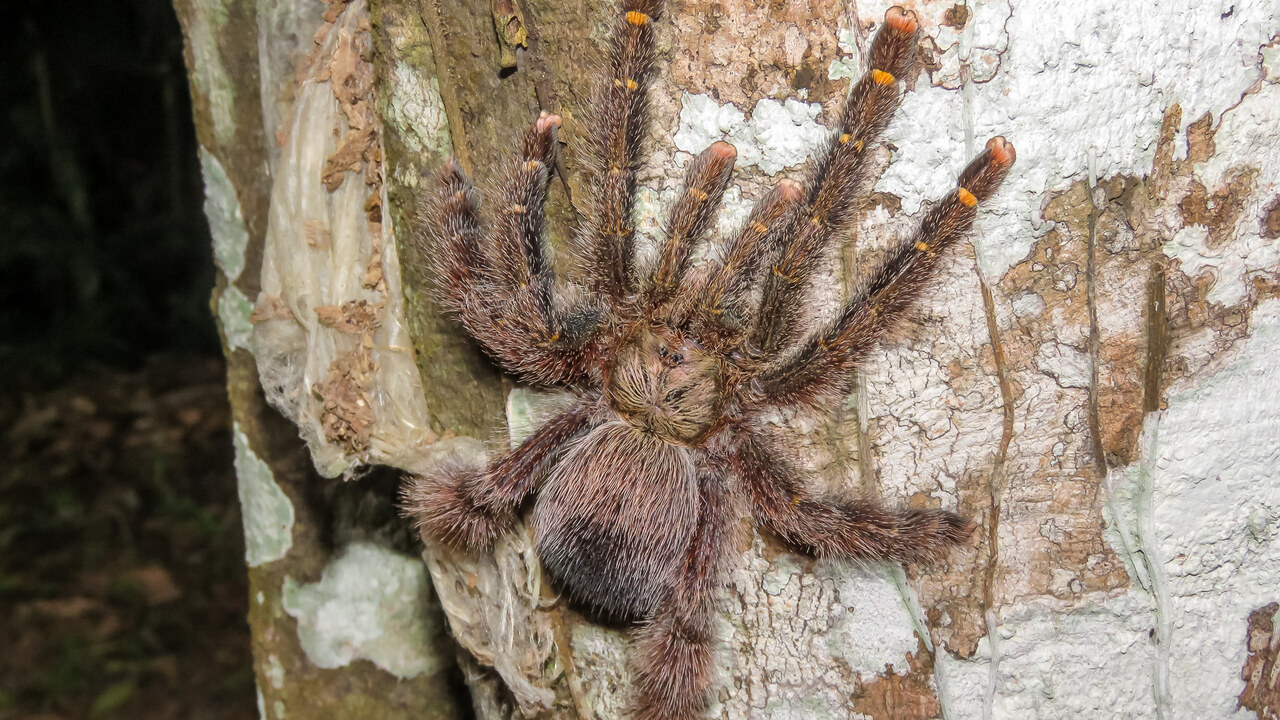 🌳 Arboreal
Avicularia rufa
Yellow Banded Pinktoe
Intermediate Requires consistent husbandry - more sensitive to ventilation, humidity, or feeding schedule. Some experience recommended. 🌳 Arboreal Lives above ground in trees or plants. Needs height and vertical climbing surfaces. Secure lid essential - they climb glass. 🌎 New World From the Americas: can flick urticating (irritating) hairs as a first defence, and venom is generally milder. 🟢 Docile Generally slow-moving and tolerant of handling. Rarely threatens or bites. Great for beginners. 💨 Skittish Easily startled - may bolt or dart suddenly when disturbed. Secure lids are essential as they can be escape artists. ⚡ Fast Moves very quickly, especially when startled. Can cross an enclosure in the blink of an eye. Not recommended for handling. 🕸️ Heavy webber Dense, prolific webbing behaviour. Will carpet the entire enclosure in thick silk - this is normal and healthy. Provides a visual indicator of the spider's territory.- Temp
- 22-27°C
- Humidity
- 70-80%
- Adult DLS
- 12-15 cm
- Moult
- Sling ~3w - Adult ~10mo
The Yellow Banded Pinktoe - a valid Amazonian species (Schiapelli & Gerschman, 1945) confirmed by the 2017 Avicularia revision, which also described the male for the first time. Dark velvety body set with vivid yellow rings where the leg segments meet, pinkish sheened legs and blush-pink toe pads; wild spiders are found in babaçu palms and bromeliads across Brazil, Bolivia, Peru and Ecuador. Stock from Mato Grosso and Rondônia was regularly misidentified as A. juruensis before the revision - buy from breeders with trusted lineage. Classic pinktoe husbandry at 12-15 cm: tall enclosure, ruthless cross-ventilation, docile but lightning-fast. UK captive-bred slings appear periodically at around £30.
-
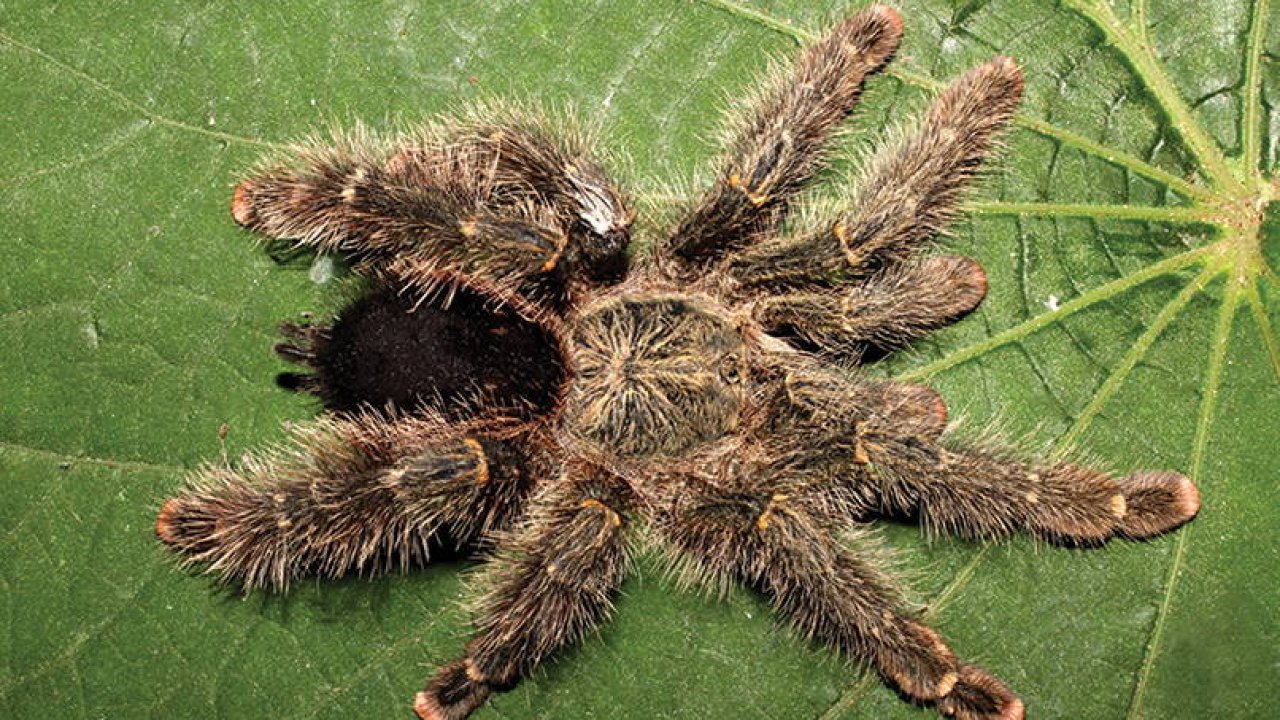 🌳 Arboreal
Avicularia variegata
Grizzled Pinktoe
Intermediate Requires consistent husbandry - more sensitive to ventilation, humidity, or feeding schedule. Some experience recommended. 🌳 Arboreal Lives above ground in trees or plants. Needs height and vertical climbing surfaces. Secure lid essential - they climb glass. 🌎 New World From the Americas: can flick urticating (irritating) hairs as a first defence, and venom is generally milder. 💨 Skittish Easily startled - may bolt or dart suddenly when disturbed. Secure lids are essential as they can be escape artists. ⚠️ Flicks hairs Uses urticating (barbed) hairs on the abdomen as a primary defence. These hairs can cause skin irritation and must be kept away from eyes. New World species only.- Temp
- 22-28°C
- Humidity
- 70-85%
- Adult DLS
- 14-17 cm
- Moult
- Sling ~3w - Adult ~12mo
Variegated pinktoe - arboreal; tall airy enclosure with vertical cork and strong cross-ventilation. One wall misted lightly, never the whole cage.
-
 🌍 Terrestrial
Bonnetina minax
Mexican Copperhead
Beginner Forgiving of common mistakes. Tolerant of temperature/humidity variation. Great first tarantula. 🌍 Terrestrial Lives on or near the ground. Needs floor space more than height. Falls from height can be fatal - keep décor low. 🌎 New World From the Americas: can flick urticating (irritating) hairs as a first defence, and venom is generally milder. 🟢 Docile Generally slow-moving and tolerant of handling. Rarely threatens or bites. Great for beginners. 🟢 Calm Deliberate and unhurried movements. Not easily startled. Usually sits contentedly in the open. ⏳ Long-lived Females can live 15-30+ years with good care. A significant long-term commitment compared to the 2-5 year male lifespan.- Temp
- 21-26°C
- Humidity
- 60-70%
- Adult DLS
- 9-12 cm
- Moult
- Sling ~4w - Adult ~13mo
Described in 2017 from Michoacán, Mexico - "minax" means menacing, for the aposematic copper-red carapace, but the spider is anything but. A glowing copper-bronze carapace over a black abdomen and grey legs with black femora (UK trade often calls it the Mexican Blue Femur). Brachypelma-easy husbandry, slow growth, females 10-15 years. Uncommon in the UK and worth grabbing when captive-bred slings appear.
-
🌍 Terrestrial
Brachionopus sp. Marakele
Marakele Dwarf
Intermediate Requires consistent husbandry - more sensitive to ventilation, humidity, or feeding schedule. Some experience recommended. 🌍 Terrestrial Lives on or near the ground. Needs floor space more than height. Falls from height can be fatal - keep décor low. 🌍 Old World From Africa, Asia or Australasia: no urticating hairs - defence is speed and a potent bite. Medically significant venom possible. ⚠️ Defensive Will adopt a threat posture (rearing up, showing fangs) when disturbed. May bite if provoked. Approach with care and use a catch cup for rehoming. 🕸️ Heavy webber Dense, prolific webbing behaviour. Will carpet the entire enclosure in thick silk - this is normal and healthy. Provides a visual indicator of the spider's territory. Old world- Temp
- 22-28°C
- Humidity
- 50-60%
- Adult DLS
- 12-14 cm
- Moult
- Sling ~4w - Adult ~10mo
The Marakele Dwarf - an undescribed South African Brachionopus (a TRUE tarantula genus of the baboon subfamily Harpactirinae, Pocock 1897 - not a trapdoor spider, and not the 1901 authority trade lists cite), from Marakele in Limpopo. Genuinely data-poor: even the vendor admits near-total ignorance. Defensive on a dwarf-ish 14 cm frame, dry-savannah husbandry, £18 CB slings for the first UK offering. A real collector's frontier species.
-
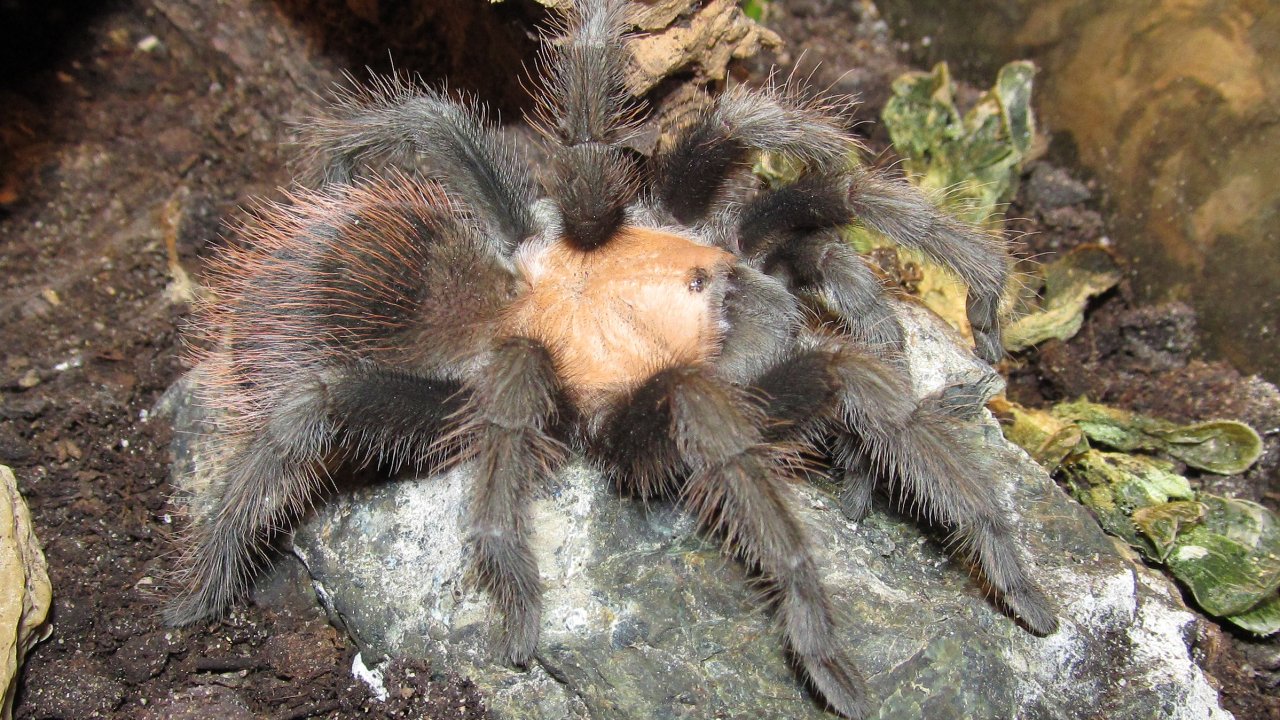 🌍 Terrestrial
Brachypelma albiceps
Mexican Golden Red Rump
Beginner Forgiving of common mistakes. Tolerant of temperature/humidity variation. Great first tarantula. 🌍 Terrestrial Lives on or near the ground. Needs floor space more than height. Falls from height can be fatal - keep décor low. 🌎 New World From the Americas: can flick urticating (irritating) hairs as a first defence, and venom is generally milder. 💨 Skittish Easily startled - may bolt or dart suddenly when disturbed. Secure lids are essential as they can be escape artists. ⚠️ Flicks hairs Uses urticating (barbed) hairs on the abdomen as a primary defence. These hairs can cause skin irritation and must be kept away from eyes. New World species only.- Temp
- 22-28°C
- Humidity
- 60-75%
- Adult DLS
- 13-15 cm
- Moult
- Sling ~3w - Adult ~12mo
Mexican golden red rump - dry substrate, water dish, hide. Slow-growing, long-lived; kicks hairs. Standard Mexican scrubland care.
-
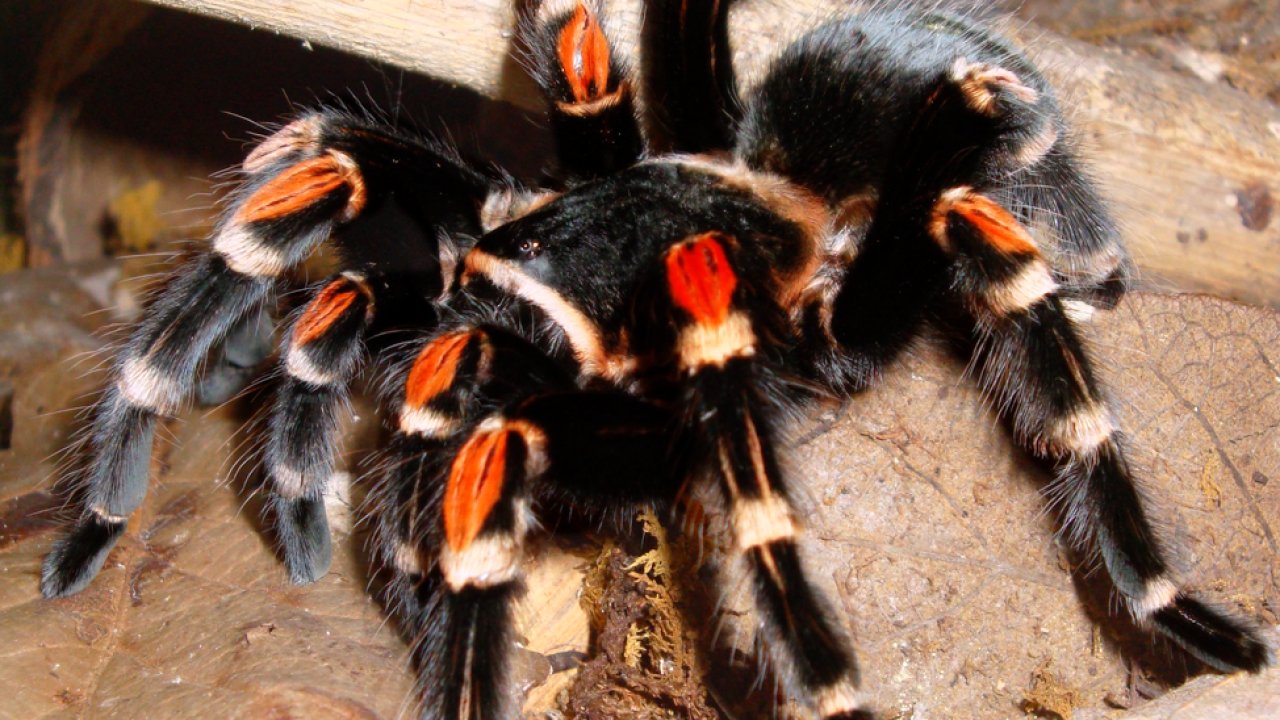 🌍 Terrestrial
Brachypelma auratum
Mexican Flameknee
Beginner Forgiving of common mistakes. Tolerant of temperature/humidity variation. Great first tarantula. 🌍 Terrestrial Lives on or near the ground. Needs floor space more than height. Falls from height can be fatal - keep décor low. 🌎 New World From the Americas: can flick urticating (irritating) hairs as a first defence, and venom is generally milder. 🟢 Docile Generally slow-moving and tolerant of handling. Rarely threatens or bites. Great for beginners. 🟢 Calm Deliberate and unhurried movements. Not easily startled. Usually sits contentedly in the open. ⚠️ Flicks hairs Uses urticating (barbed) hairs on the abdomen as a primary defence. These hairs can cause skin irritation and must be kept away from eyes. New World species only.- Temp
- 24-28°C
- Humidity
- 60-70%
- Adult DLS
- 14-17 cm
- Moult
- Sling ~3w - Adult ~15mo
Brilliant orange-red flame pattern on each patella ("knee"). Robust and easy to keep.
-
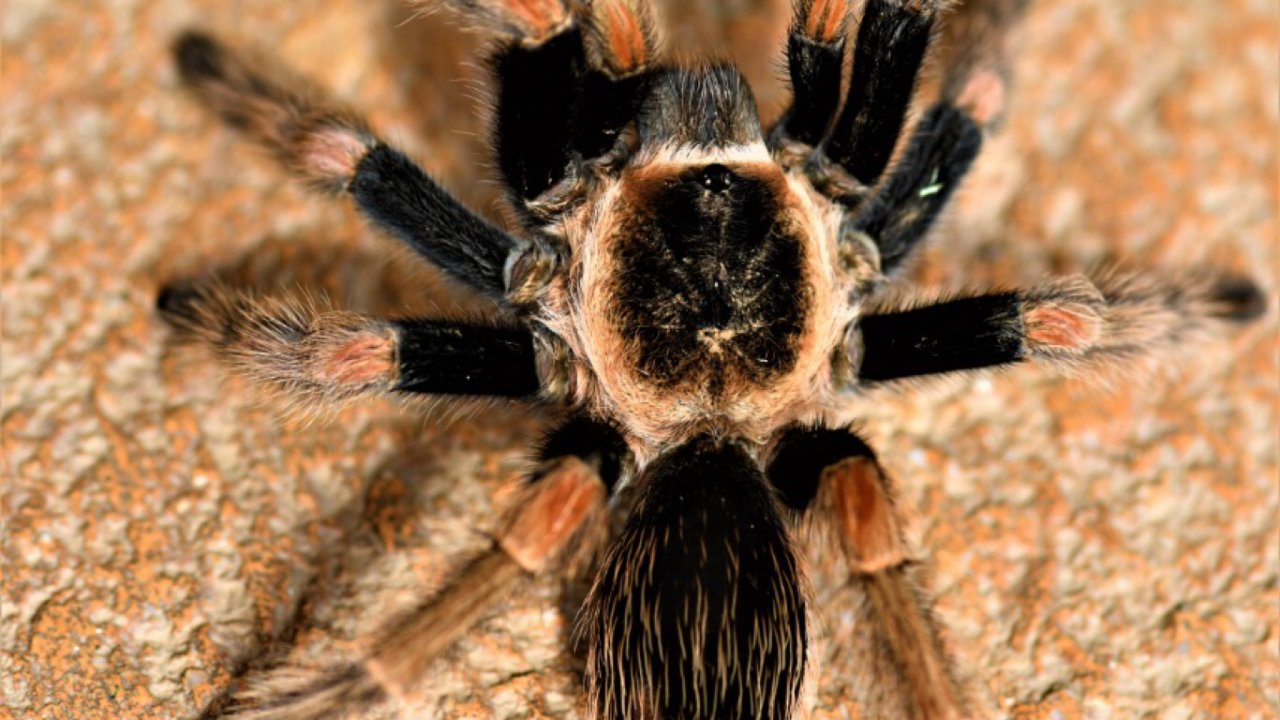 🌍 Terrestrial
Brachypelma baumgarteni
Mexican Orange Beauty
Beginner Forgiving of common mistakes. Tolerant of temperature/humidity variation. Great first tarantula. 🌍 Terrestrial Lives on or near the ground. Needs floor space more than height. Falls from height can be fatal - keep décor low. 🌎 New World From the Americas: can flick urticating (irritating) hairs as a first defence, and venom is generally milder. 🟢 Docile Generally slow-moving and tolerant of handling. Rarely threatens or bites. Great for beginners. 🟢 Calm Deliberate and unhurried movements. Not easily startled. Usually sits contentedly in the open. ⚠️ Flicks hairs Uses urticating (barbed) hairs on the abdomen as a primary defence. These hairs can cause skin irritation and must be kept away from eyes. New World species only. ⏳ Long-lived Females can live 15-30+ years with good care. A significant long-term commitment compared to the 2-5 year male lifespan.- Temp
- 24-28°C
- Humidity
- 60-70%
- Adult DLS
- 14-18 cm
- Moult
- Sling ~3w - Adult ~15mo
Vivid orange-ringed legs with a black carapace. Captive-bred only - CITES Appendix II.
-
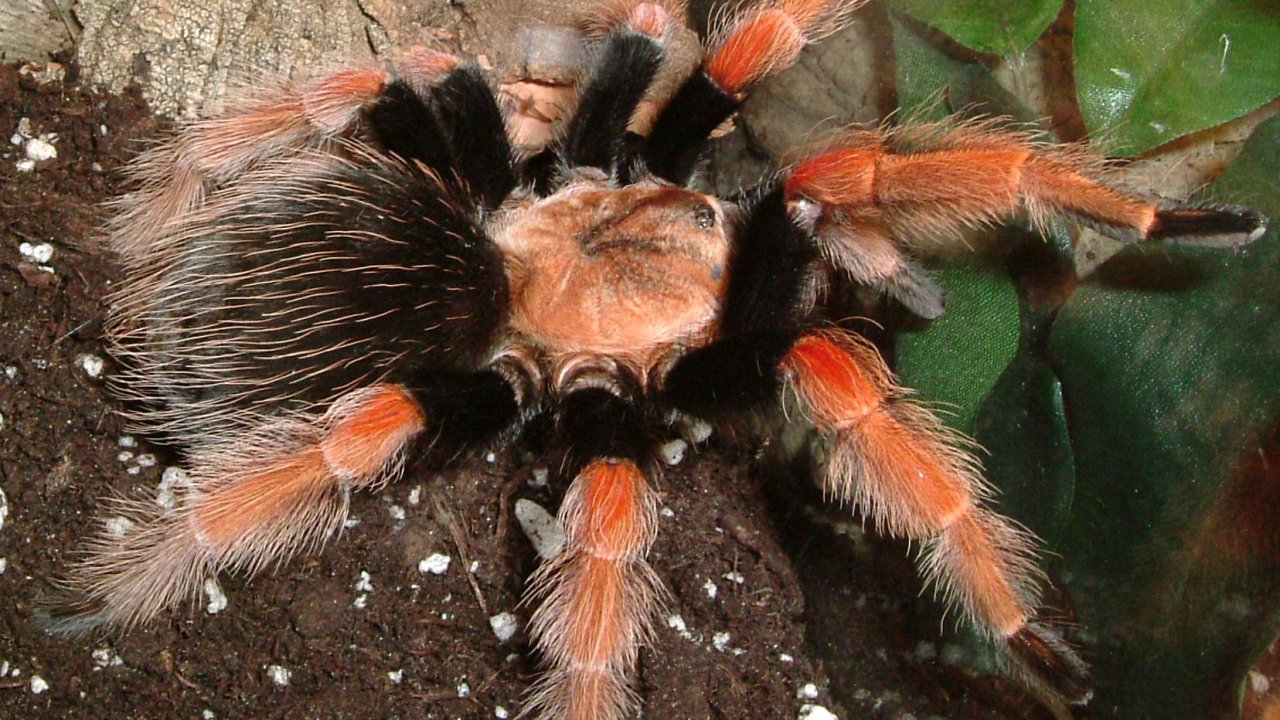 🌍 Terrestrial
Brachypelma boehmei
Mexican Fireleg
Intermediate Requires consistent husbandry - more sensitive to ventilation, humidity, or feeding schedule. Some experience recommended. 🌍 Terrestrial Lives on or near the ground. Needs floor space more than height. Falls from height can be fatal - keep décor low. 🌎 New World From the Americas: can flick urticating (irritating) hairs as a first defence, and venom is generally milder. 🟢 Docile Generally slow-moving and tolerant of handling. Rarely threatens or bites. Great for beginners. 💨 Skittish Easily startled - may bolt or dart suddenly when disturbed. Secure lids are essential as they can be escape artists. ⚠️ Flicks hairs Uses urticating (barbed) hairs on the abdomen as a primary defence. These hairs can cause skin irritation and must be kept away from eyes. New World species only. ⏳ Long-lived Females can live 15-30+ years with good care. A significant long-term commitment compared to the 2-5 year male lifespan.- Temp
- 24-28°C
- Humidity
- 60-70%
- Adult DLS
- 14-17 cm
- Moult
- Sling ~3w - Adult ~15mo
Bright red-orange legs and a black carapace. More skittish and itchy-haired than B. hamorii.
-
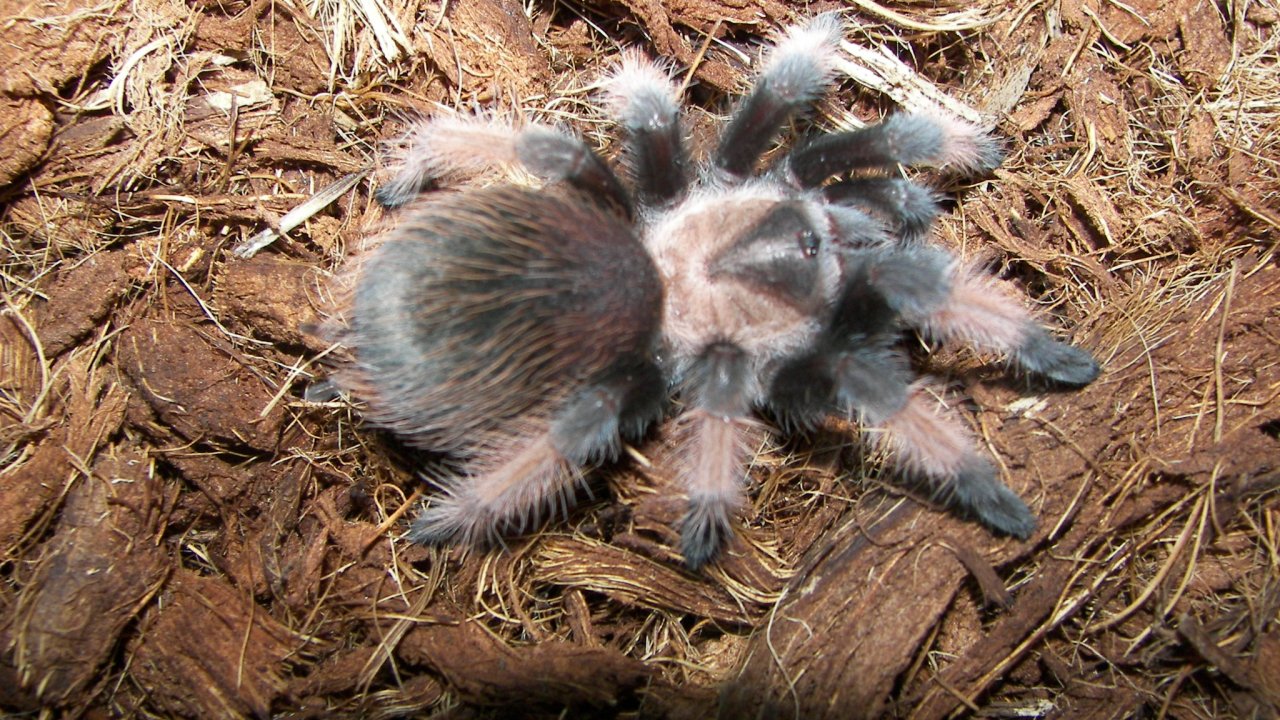 🌍 Terrestrial
Brachypelma emilia
Mexican Redleg
Beginner Forgiving of common mistakes. Tolerant of temperature/humidity variation. Great first tarantula. 🌍 Terrestrial Lives on or near the ground. Needs floor space more than height. Falls from height can be fatal - keep décor low. 🌎 New World From the Americas: can flick urticating (irritating) hairs as a first defence, and venom is generally milder. 🟢 Docile Generally slow-moving and tolerant of handling. Rarely threatens or bites. Great for beginners. 🟢 Calm Deliberate and unhurried movements. Not easily startled. Usually sits contentedly in the open. ⏳ Long-lived Females can live 15-30+ years with good care. A significant long-term commitment compared to the 2-5 year male lifespan.- Temp
- 24-28°C
- Humidity
- 60-70%
- Adult DLS
- 13-15 cm
- Moult
- Sling ~3w - Adult ~15mo
Distinct black triangle on the carapace, red legs. Slow, docile, long-lived.
-
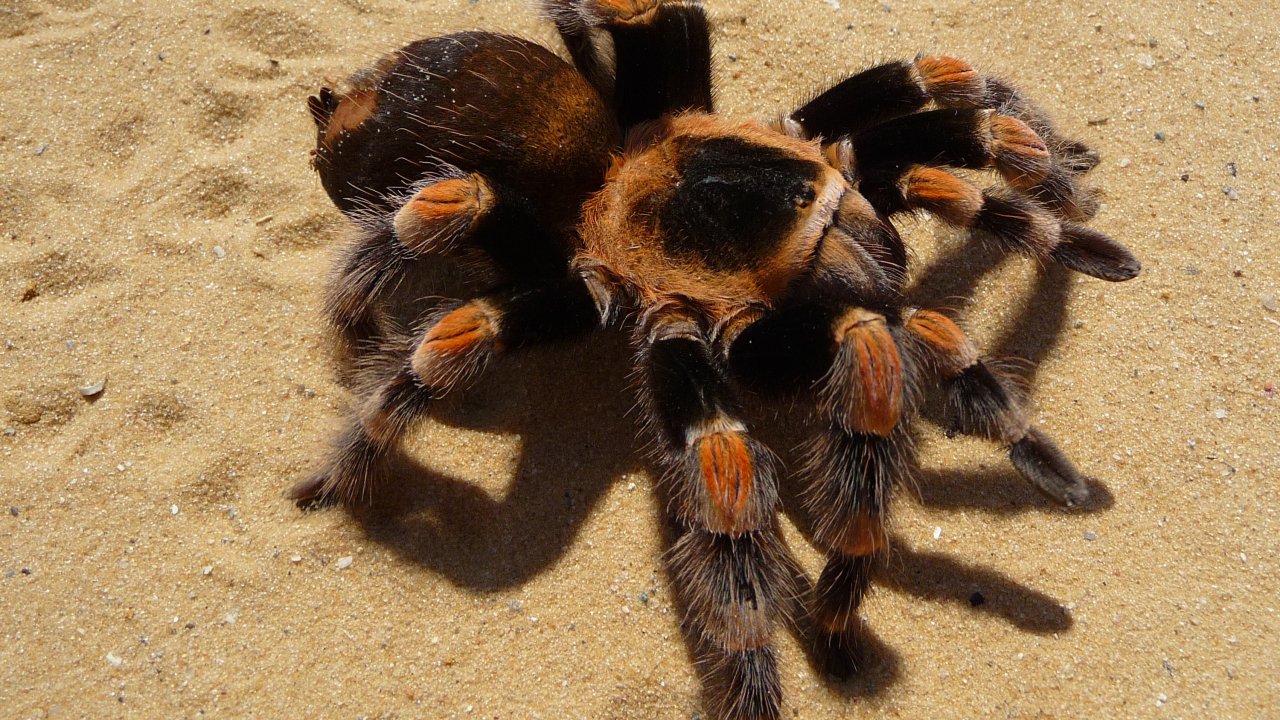 🌍 Terrestrial
Brachypelma hamorii
Mexican Redknee
Beginner Forgiving of common mistakes. Tolerant of temperature/humidity variation. Great first tarantula. 🌍 Terrestrial Lives on or near the ground. Needs floor space more than height. Falls from height can be fatal - keep décor low. 🌎 New World From the Americas: can flick urticating (irritating) hairs as a first defence, and venom is generally milder. 🟢 Docile Generally slow-moving and tolerant of handling. Rarely threatens or bites. Great for beginners. 🟢 Calm Deliberate and unhurried movements. Not easily startled. Usually sits contentedly in the open. ⚠️ Flicks hairs Uses urticating (barbed) hairs on the abdomen as a primary defence. These hairs can cause skin irritation and must be kept away from eyes. New World species only. ⏳ Long-lived Females can live 15-30+ years with good care. A significant long-term commitment compared to the 2-5 year male lifespan.- Temp
- 24-28°C
- Humidity
- 60-70%
- Adult DLS
- 14-18 cm
- Moult
- Sling ~3w - Adult ~15mo
The classic pet-store tarantula. Iconic orange-red knee patches on black. CITES Appendix II.
-
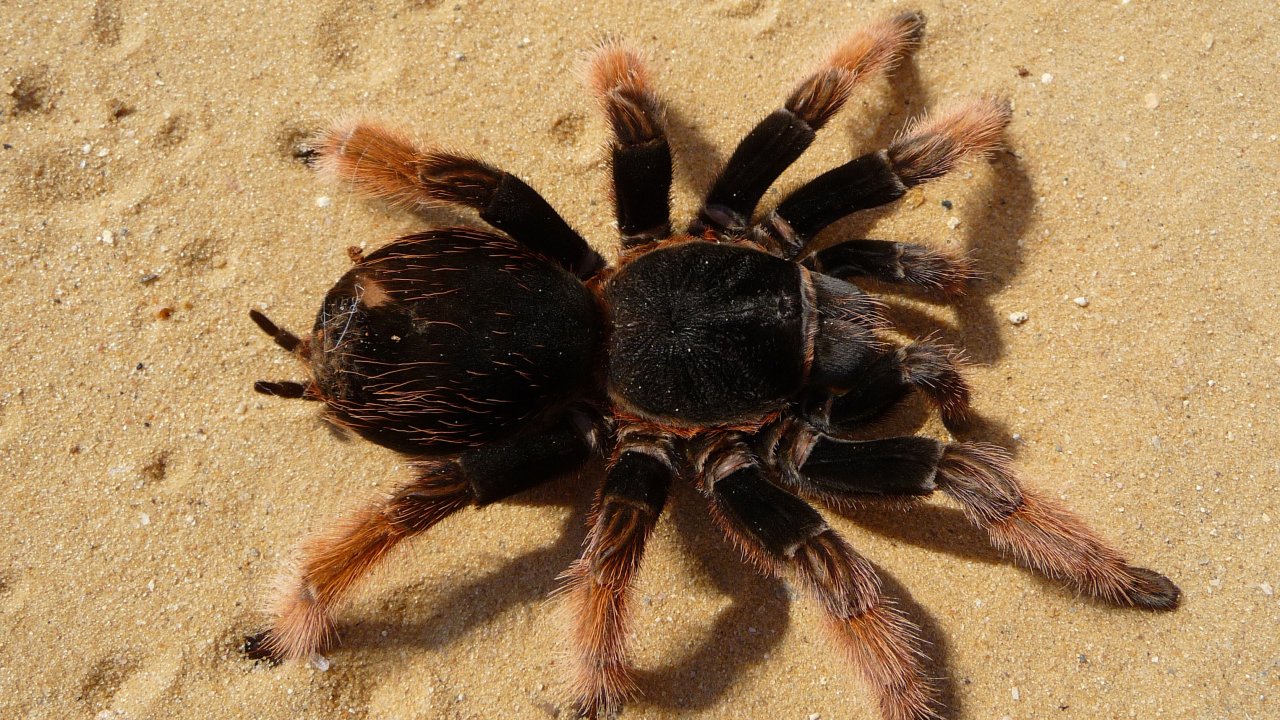 🌍 Terrestrial
Brachypelma klaasi
Mexican Pink Beauty
Beginner Forgiving of common mistakes. Tolerant of temperature/humidity variation. Great first tarantula. 🌍 Terrestrial Lives on or near the ground. Needs floor space more than height. Falls from height can be fatal - keep décor low. 🌎 New World From the Americas: can flick urticating (irritating) hairs as a first defence, and venom is generally milder. 🟢 Docile Generally slow-moving and tolerant of handling. Rarely threatens or bites. Great for beginners. 🟢 Calm Deliberate and unhurried movements. Not easily startled. Usually sits contentedly in the open. ⚠️ Flicks hairs Uses urticating (barbed) hairs on the abdomen as a primary defence. These hairs can cause skin irritation and must be kept away from eyes. New World species only. ⏳ Long-lived Females can live 15-30+ years with good care. A significant long-term commitment compared to the 2-5 year male lifespan.- Temp
- 24-28°C
- Humidity
- 60-70%
- Adult DLS
- 13-15 cm
- Moult
- Sling ~3w - Adult ~15mo
Velvety black with rusty red abdominal hairs. CITES Appendix II - the rarest Brachypelma in the UK hobby.
-
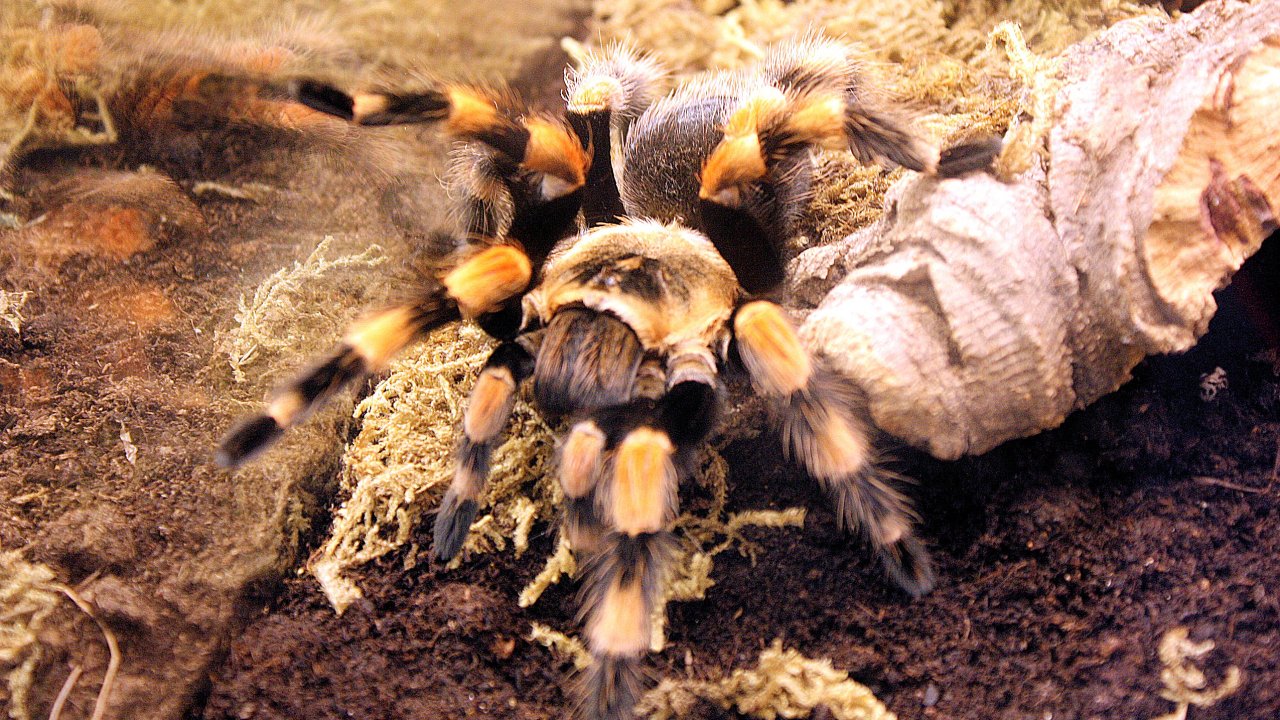 🌍 Terrestrial
Brachypelma smithi
Mexican Giant Orange Knee (true smithi)
Beginner Forgiving of common mistakes. Tolerant of temperature/humidity variation. Great first tarantula. 🌍 Terrestrial Lives on or near the ground. Needs floor space more than height. Falls from height can be fatal - keep décor low. 🌎 New World From the Americas: can flick urticating (irritating) hairs as a first defence, and venom is generally milder. 🟢 Docile Generally slow-moving and tolerant of handling. Rarely threatens or bites. Great for beginners. 🟢 Calm Deliberate and unhurried movements. Not easily startled. Usually sits contentedly in the open. ⚠️ Flicks hairs Uses urticating (barbed) hairs on the abdomen as a primary defence. These hairs can cause skin irritation and must be kept away from eyes. New World species only. ⏳ Long-lived Females can live 15-30+ years with good care. A significant long-term commitment compared to the 2-5 year male lifespan.- Temp
- 24-28°C
- Humidity
- 60-70%
- Adult DLS
- 14-18 cm
- Moult
- Sling ~3w - Adult ~15mo
The original "Mexican Redknee" - long conflated with B. hamorii. Docile, photogenic, long-lived. CITES Appendix II.
-
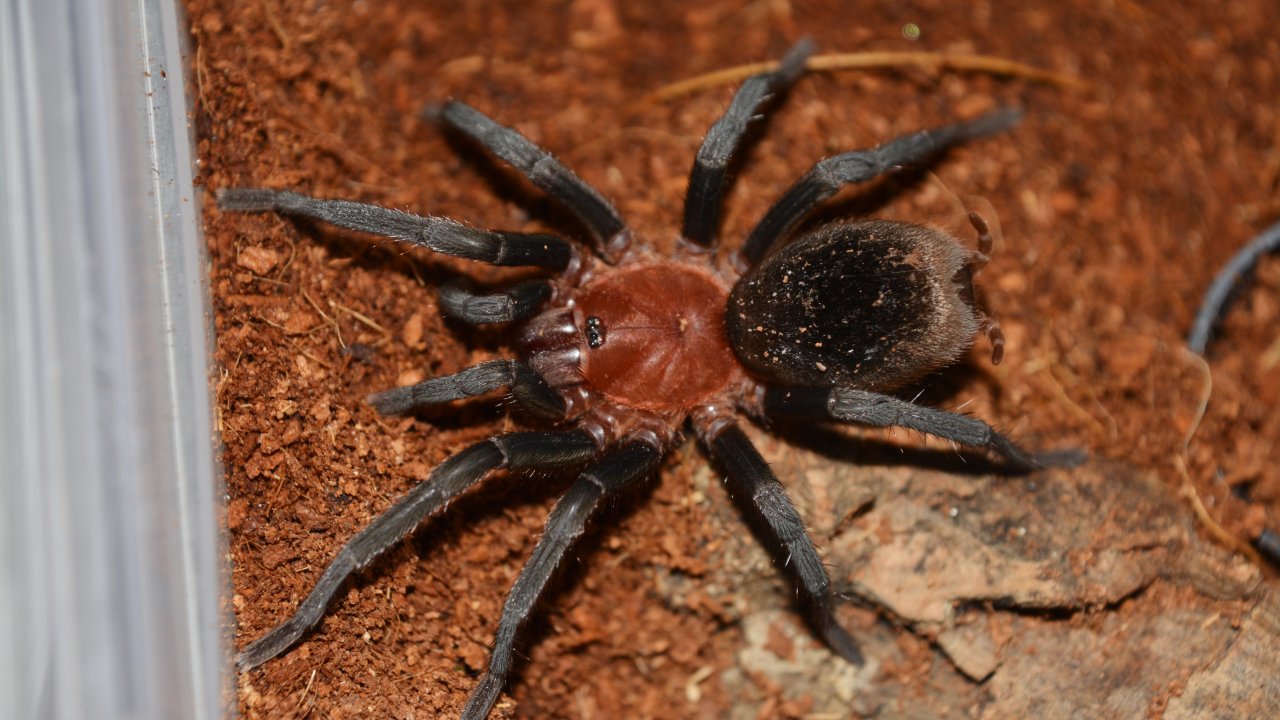 🌍 Terrestrial
Bumba horrida
Brazilian Redhead
Beginner Forgiving of common mistakes. Tolerant of temperature/humidity variation. Great first tarantula. 🌍 Terrestrial Lives on or near the ground. Needs floor space more than height. Falls from height can be fatal - keep décor low. 🌎 New World From the Americas: can flick urticating (irritating) hairs as a first defence, and venom is generally milder. 🟢 Docile Generally slow-moving and tolerant of handling. Rarely threatens or bites. Great for beginners. 🟢 Calm Deliberate and unhurried movements. Not easily startled. Usually sits contentedly in the open.- Temp
- 22-28°C
- Humidity
- 65-80%
- Adult DLS
- 10-13 cm
- Moult
- Sling ~3w - Adult ~7mo
The Brazilian Redhead (Bumba horrida) is one of the hobby's most striking New World terrestrials - metallic red setae blaze across the carapace of adult females, framed by blue-grey legs. Native to northern Brazil's seasonal Amazonian forests, it is calm, reluctant to kick hairs and genuinely beginner-friendly, maturing at a manageable 12 cm with females living well over a decade.
-
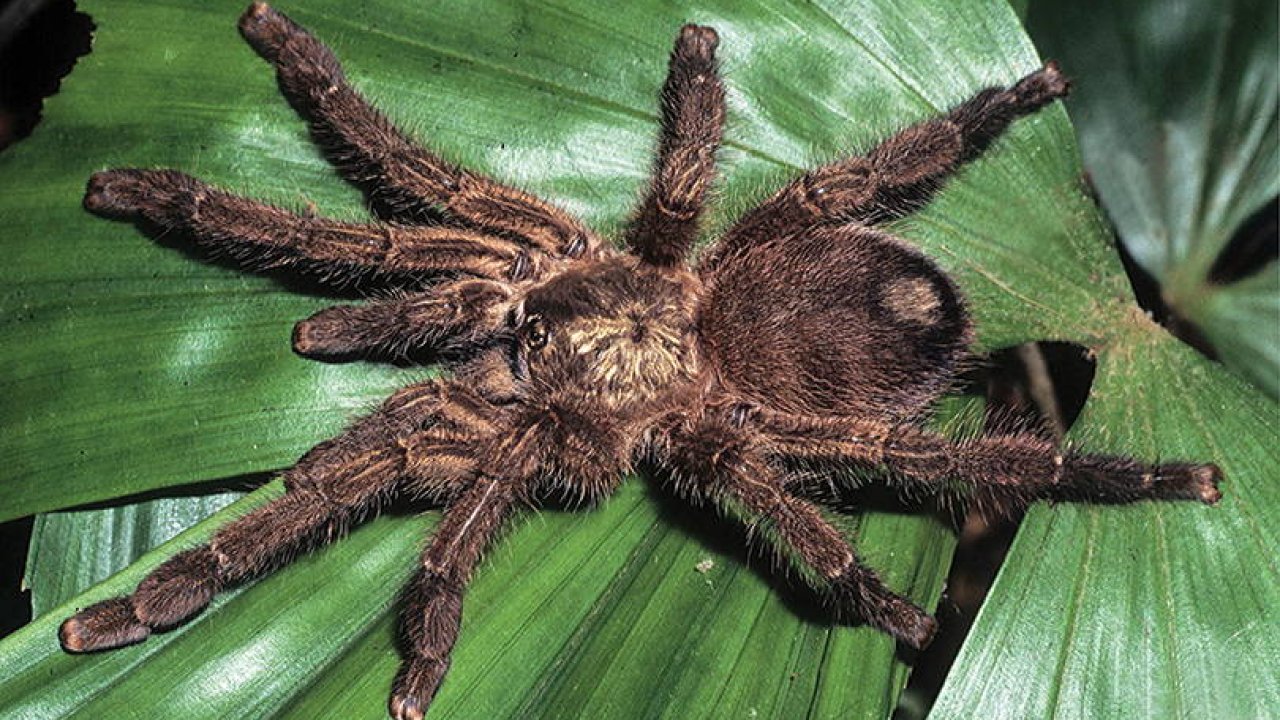 🌳 Arboreal
Caribena laeta
Puerto Rican Pinktoe
Intermediate Requires consistent husbandry - more sensitive to ventilation, humidity, or feeding schedule. Some experience recommended. 🌳 Arboreal Lives above ground in trees or plants. Needs height and vertical climbing surfaces. Secure lid essential - they climb glass. 🌎 New World From the Americas: can flick urticating (irritating) hairs as a first defence, and venom is generally milder. 💨 Skittish Easily startled - may bolt or dart suddenly when disturbed. Secure lids are essential as they can be escape artists. ⚠️ Flicks hairs Uses urticating (barbed) hairs on the abdomen as a primary defence. These hairs can cause skin irritation and must be kept away from eyes. New World species only.- Temp
- 22-28°C
- Humidity
- 70-85%
- Adult DLS
- 14-17 cm
- Moult
- Sling ~3w - Adult ~12mo
Puerto Rican pinktoe - like versicolor care: tall airy setup, vertical cork, mist one wall. Sensitive to stuffy conditions as slings; airflow is everything.
-
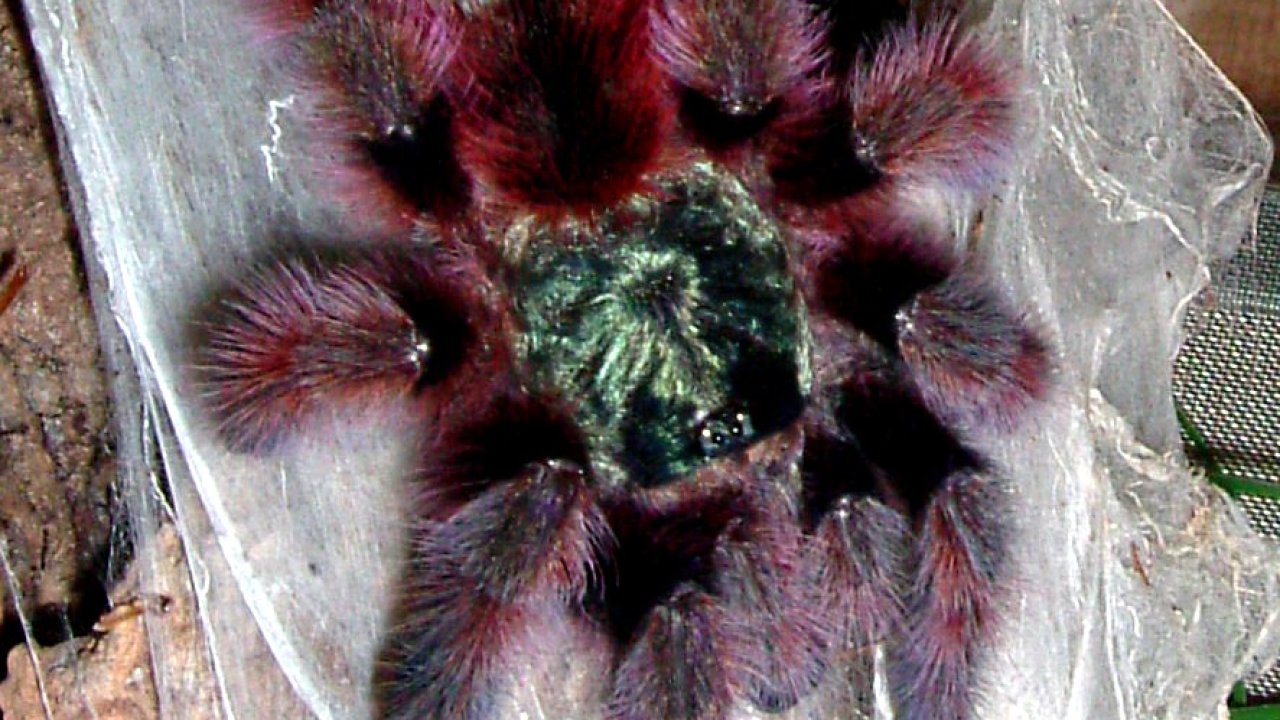 🌳 Arboreal
Caribena versicolor
Antilles Pinktoe / Martinique
Intermediate Requires consistent husbandry - more sensitive to ventilation, humidity, or feeding schedule. Some experience recommended. 🌳 Arboreal Lives above ground in trees or plants. Needs height and vertical climbing surfaces. Secure lid essential - they climb glass. 🌎 New World From the Americas: can flick urticating (irritating) hairs as a first defence, and venom is generally milder. 🟢 Docile Generally slow-moving and tolerant of handling. Rarely threatens or bites. Great for beginners. 💨 Skittish Easily startled - may bolt or dart suddenly when disturbed. Secure lids are essential as they can be escape artists. ⚡ Fast Moves very quickly, especially when startled. Can cross an enclosure in the blink of an eye. Not recommended for handling.- Temp
- 22-26°C
- Humidity
- 70-80%
- Adult DLS
- 13-15 cm
- Moult
- Sling ~3w - Adult ~8mo
Electric blue spiderlings mature into red-bodied adults with green carapace. Loves airflow; avoid overheating.
-
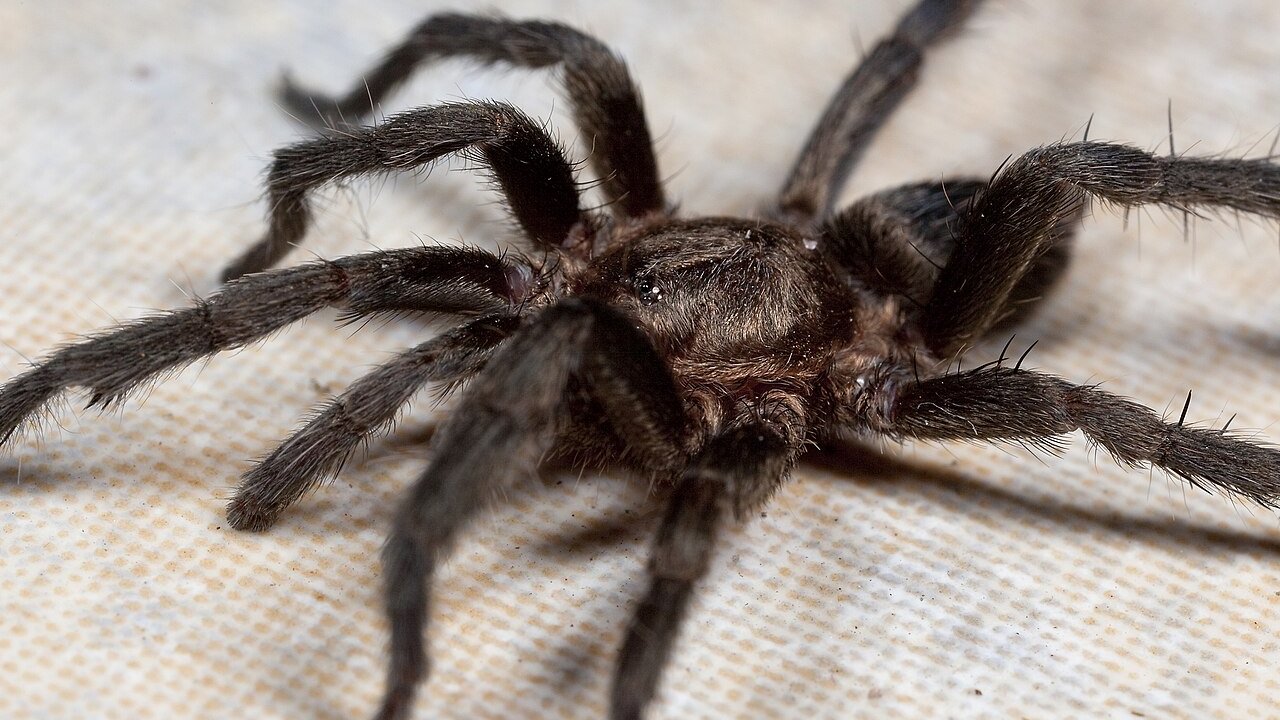 🌍 Terrestrial
Catumiri argentinense
Argentine Dwarf
Intermediate Requires consistent husbandry - more sensitive to ventilation, humidity, or feeding schedule. Some experience recommended. 🌍 Terrestrial Lives on or near the ground. Needs floor space more than height. Falls from height can be fatal - keep décor low. 🌎 New World From the Americas: can flick urticating (irritating) hairs as a first defence, and venom is generally milder. 🟢 Docile Generally slow-moving and tolerant of handling. Rarely threatens or bites. Great for beginners. 💨 Skittish Easily startled - may bolt or dart suddenly when disturbed. Secure lids are essential as they can be escape artists.- Temp
- 22-26°C
- Humidity
- 60-70%
- Adult DLS
- 4-6 cm
- Moult
- Sling ~3w - Adult ~3mo
Small brown dwarf from South America. A niche species for collectors of mini tarantulas.
-
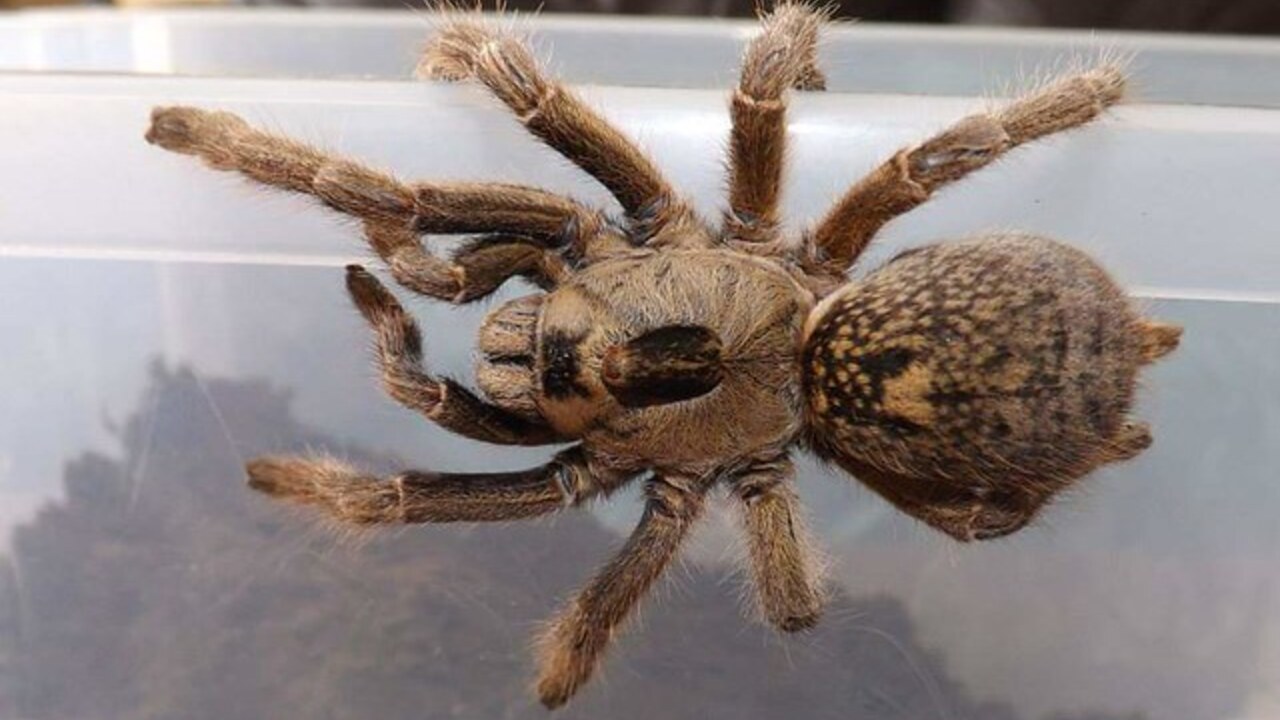 🕳️ Fossorial
Ceratogyrus brachycephalus
Greater Horned Baboon
Intermediate Requires consistent husbandry - more sensitive to ventilation, humidity, or feeding schedule. Some experience recommended. 🕳️ Fossorial Lives underground in deep burrows. Needs deep, packed substrate to dig. You may rarely see them - patience required. 🌍 Old World From Africa, Asia or Australasia: no urticating hairs - defence is speed and a potent bite. Medically significant venom possible. ⚠️ Defensive Will adopt a threat posture (rearing up, showing fangs) when disturbed. May bite if provoked. Approach with care and use a catch cup for rehoming. ⚡ Fast Moves very quickly, especially when startled. Can cross an enclosure in the blink of an eye. Not recommended for handling. 🕸️ Heavy webber Dense, prolific webbing behaviour. Will carpet the entire enclosure in thick silk - this is normal and healthy. Provides a visual indicator of the spider's territory. Old world- Temp
- 24-29°C
- Humidity
- 50-60%
- Adult DLS
- 10-13 cm
- Moult
- Sling ~3w - Adult ~8mo
The Greater Horned Baboon - a jet-and-bronze African fossorial carrying the genus's signature foveal horn on its carapace, from arid Botswana-Zimbabwe scrubland. An enthusiastic digger that builds deep silk-lined shafts and ambushes from the burrow mouth; fast, defensive and packing potent Old World venom, so a look-don't-touch species. Hard core of the hobby caveat: some trade stock labelled brachycephalus may be C. sanderi or hybrids - buy from keepers who know their lines. Cheap, fast-growing CB slings make it a staple "first horned baboon".
-
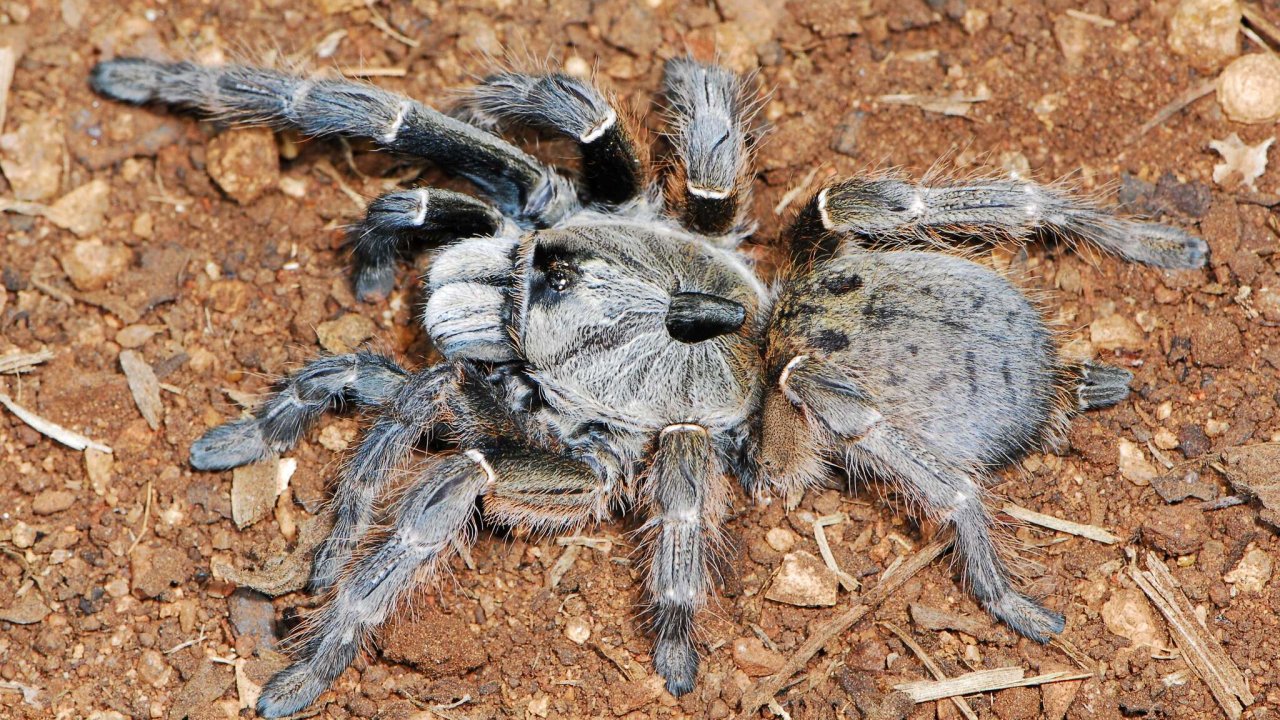 🕳️ Fossorial
Ceratogyrus darlingi
Eastern Horned Baboon
Intermediate Requires consistent husbandry - more sensitive to ventilation, humidity, or feeding schedule. Some experience recommended. 🕳️ Fossorial Lives underground in deep burrows. Needs deep, packed substrate to dig. You may rarely see them - patience required. 🌍 Old World From Africa, Asia or Australasia: no urticating hairs - defence is speed and a potent bite. Medically significant venom possible. ⚠️ Defensive Will adopt a threat posture (rearing up, showing fangs) when disturbed. May bite if provoked. Approach with care and use a catch cup for rehoming. ⚡ Fast Moves very quickly, especially when startled. Can cross an enclosure in the blink of an eye. Not recommended for handling. ☠️ Potent venom Possesses medically significant venom. A bite can cause intense pain, muscle cramps, sweating, and may require medical attention. Old World species typically fall here as they lack urticating hairs.- Temp
- 24-28°C
- Humidity
- 60-70%
- Adult DLS
- 12-14 cm
- Moult
- Sling ~3w - Adult ~9mo
Distinctive forward-pointing horn on the carapace. African fossorial - deep substrate essential.
-
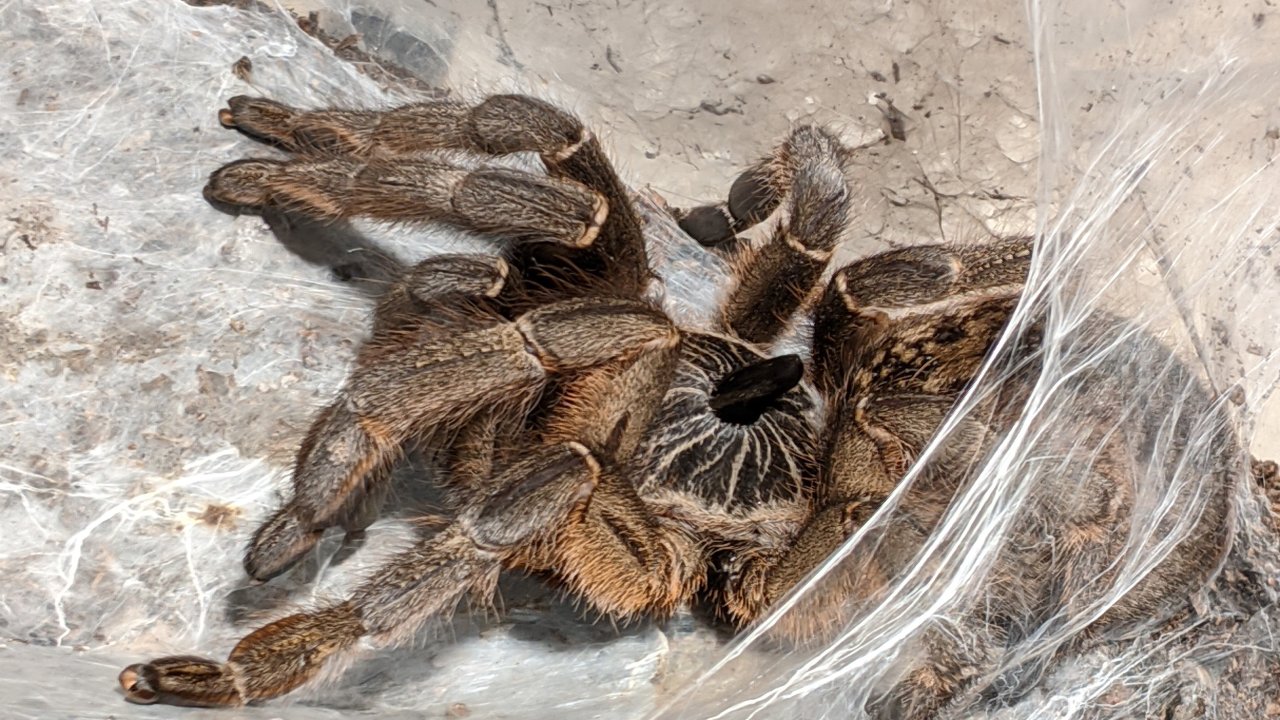 🕳️ Fossorial
Ceratogyrus marshalli
Curvedhorn Baboon / Unicorn Baboon
Intermediate Requires consistent husbandry - more sensitive to ventilation, humidity, or feeding schedule. Some experience recommended. 🕳️ Fossorial Lives underground in deep burrows. Needs deep, packed substrate to dig. You may rarely see them - patience required. 🌍 Old World From Africa, Asia or Australasia: no urticating hairs - defence is speed and a potent bite. Medically significant venom possible. ⚠️ Defensive Will adopt a threat posture (rearing up, showing fangs) when disturbed. May bite if provoked. Approach with care and use a catch cup for rehoming. ⚡ Fast Moves very quickly, especially when startled. Can cross an enclosure in the blink of an eye. Not recommended for handling. ☠️ Potent venom Possesses medically significant venom. A bite can cause intense pain, muscle cramps, sweating, and may require medical attention. Old World species typically fall here as they lack urticating hairs.- Temp
- 24-28°C
- Humidity
- 60-70%
- Adult DLS
- 13-15 cm
- Moult
- Sling ~3w - Adult ~9mo
Backward-curved "unicorn" horn - the only tarantula with this feature. Fossorial, defensive, easy to keep dry.
-
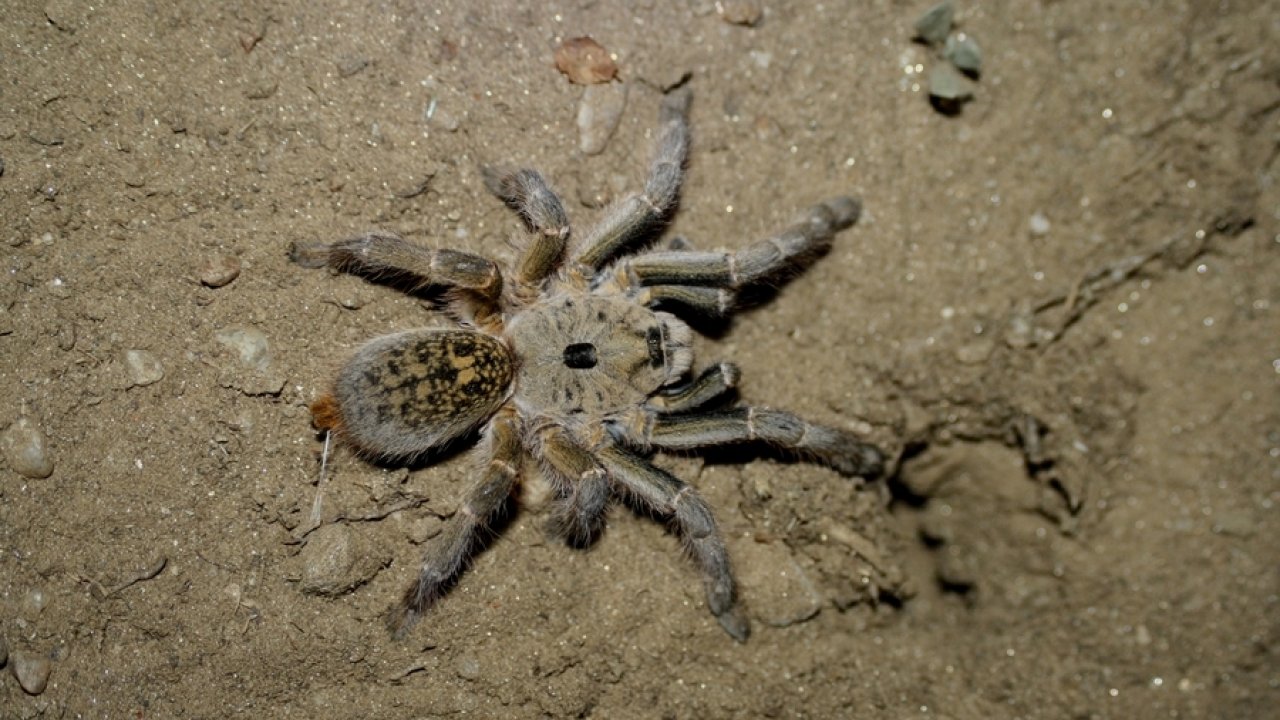 🕳️ Fossorial
Ceratogyrus sanderi
Namibia Grey Baboon
Advanced Demanding or potentially dangerous. May be very fast, defensive, or have medically significant venom. Experienced keepers only. 🕳️ Fossorial Lives underground in deep burrows. Needs deep, packed substrate to dig. You may rarely see them - patience required. 🌍 Old World From Africa, Asia or Australasia: no urticating hairs - defence is speed and a potent bite. Medically significant venom possible. ⚠️ Defensive Will adopt a threat posture (rearing up, showing fangs) when disturbed. May bite if provoked. Approach with care and use a catch cup for rehoming. ⚡ Fast Moves very quickly, especially when startled. Can cross an enclosure in the blink of an eye. Not recommended for handling. ☠️ Potent venom Possesses medically significant venom. A bite can cause intense pain, muscle cramps, sweating, and may require medical attention. Old World species typically fall here as they lack urticating hairs.- Temp
- 22-28°C
- Humidity
- 65-80%
- Adult DLS
- 14-17 cm
- Moult
- Sling ~3w - Adult ~12mo
Black horned baboon - standard Ceratogyrus care: deep substrate, starter burrow, 60-70% humidity. Defensive and fast.
-
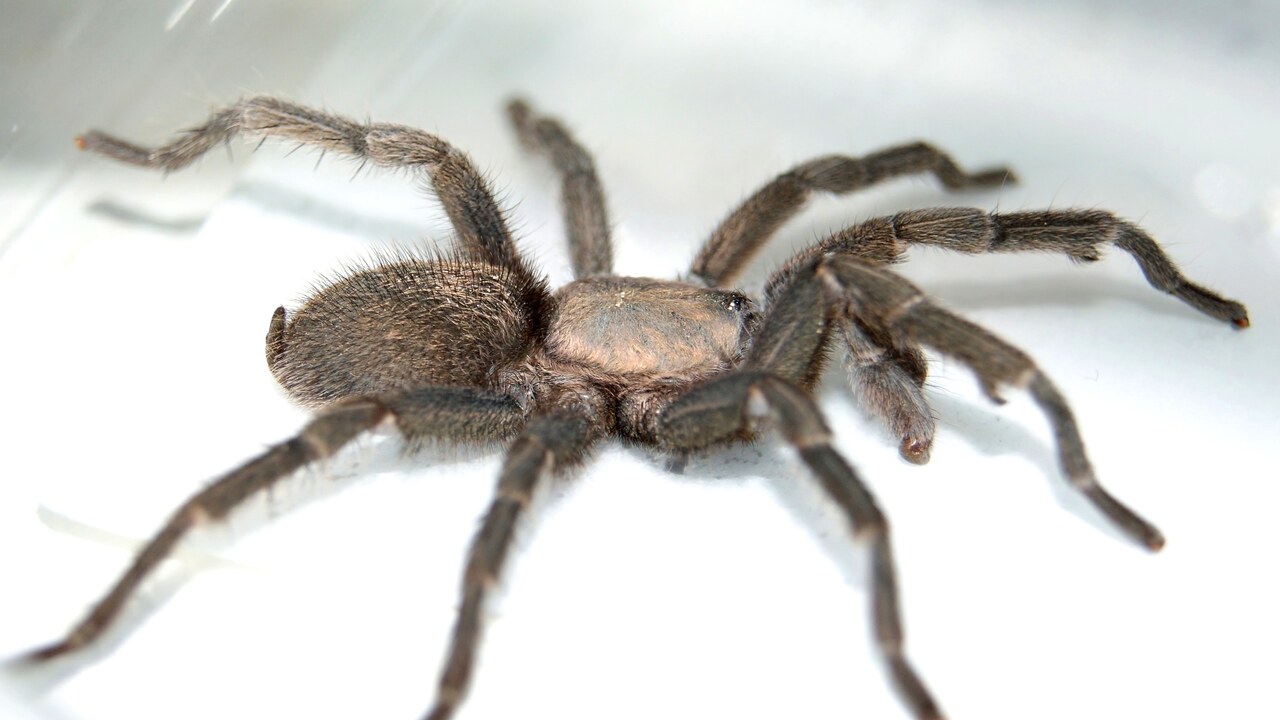 🌍 Terrestrial
Chaetopelma olivaceum
Middle East Gold
Beginner Forgiving of common mistakes. Tolerant of temperature/humidity variation. Great first tarantula. 🌍 Terrestrial Lives on or near the ground. Needs floor space more than height. Falls from height can be fatal - keep décor low. 🌍 Old World From Africa, Asia or Australasia: no urticating hairs - defence is speed and a potent bite. Medically significant venom possible. 💨 Skittish Easily startled - may bolt or dart suddenly when disturbed. Secure lids are essential as they can be escape artists. ⚡ Fast Moves very quickly, especially when startled. Can cross an enclosure in the blink of an eye. Not recommended for handling. 🟢 Docile Generally slow-moving and tolerant of handling. Rarely threatens or bites. Great for beginners.- Temp
- 22-28°C
- Humidity
- 50-65%
- Adult DLS
- 11-13 cm
- Moult
- Sling ~3w - Adult ~9mo
The Middle East Gold (long sold as the "Jerusalem tarantula") - a dusty olive-gold ground spider ranging from Cyprus and Turkey across the Levant to Egypt, famous for living in ruins, tombs and burial caves where it forms enormous natural colonies. That colonial heritage makes it one of the few tarantulas with genuine (though never guaranteed) communal potential. Fast and nervous rather than defensive, with mild venom and a habit of flashing its red mouthparts when annoyed. Hardy, cheap and an interesting "first Old World" for keepers ready for the speed.
-
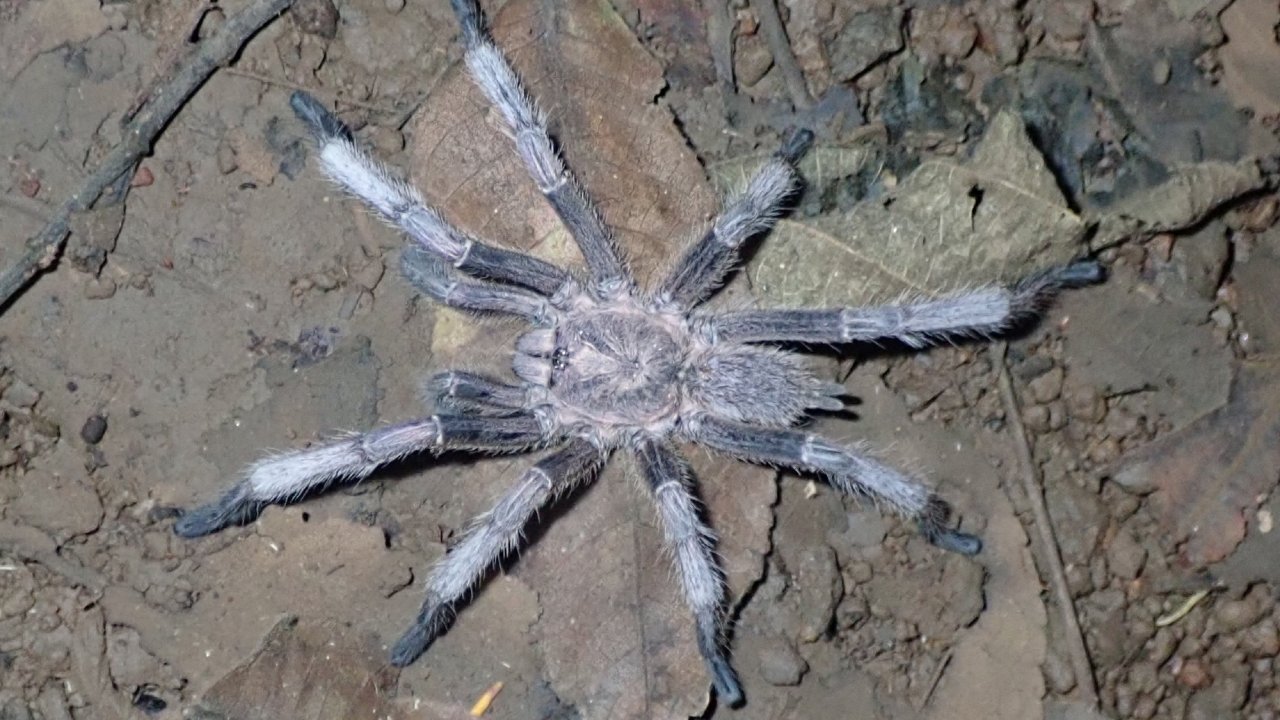 🕳️ Fossorial
Chilobrachys dyscolus
Vietnam Blue / Greater Black
Advanced Demanding or potentially dangerous. May be very fast, defensive, or have medically significant venom. Experienced keepers only. 🕳️ Fossorial Lives underground in deep burrows. Needs deep, packed substrate to dig. You may rarely see them - patience required. 🌍 Old World From Africa, Asia or Australasia: no urticating hairs - defence is speed and a potent bite. Medically significant venom possible. ⚠️ Defensive Will adopt a threat posture (rearing up, showing fangs) when disturbed. May bite if provoked. Approach with care and use a catch cup for rehoming. ⚡ Fast Moves very quickly, especially when startled. Can cross an enclosure in the blink of an eye. Not recommended for handling. ☠️ Potent venom Possesses medically significant venom. A bite can cause intense pain, muscle cramps, sweating, and may require medical attention. Old World species typically fall here as they lack urticating hairs. 🕸️ Heavy webber Dense, prolific webbing behaviour. Will carpet the entire enclosure in thick silk - this is normal and healthy. Provides a visual indicator of the spider's territory.- Temp
- 24-28°C
- Humidity
- 70-80%
- Adult DLS
- 13-15 cm
- Moult
- Sling ~3w - Adult ~9mo
Large dark Asian fossorial. Often sold as "Asian Mustard". Defensive and potent.
-
 🕳️ Fossorial
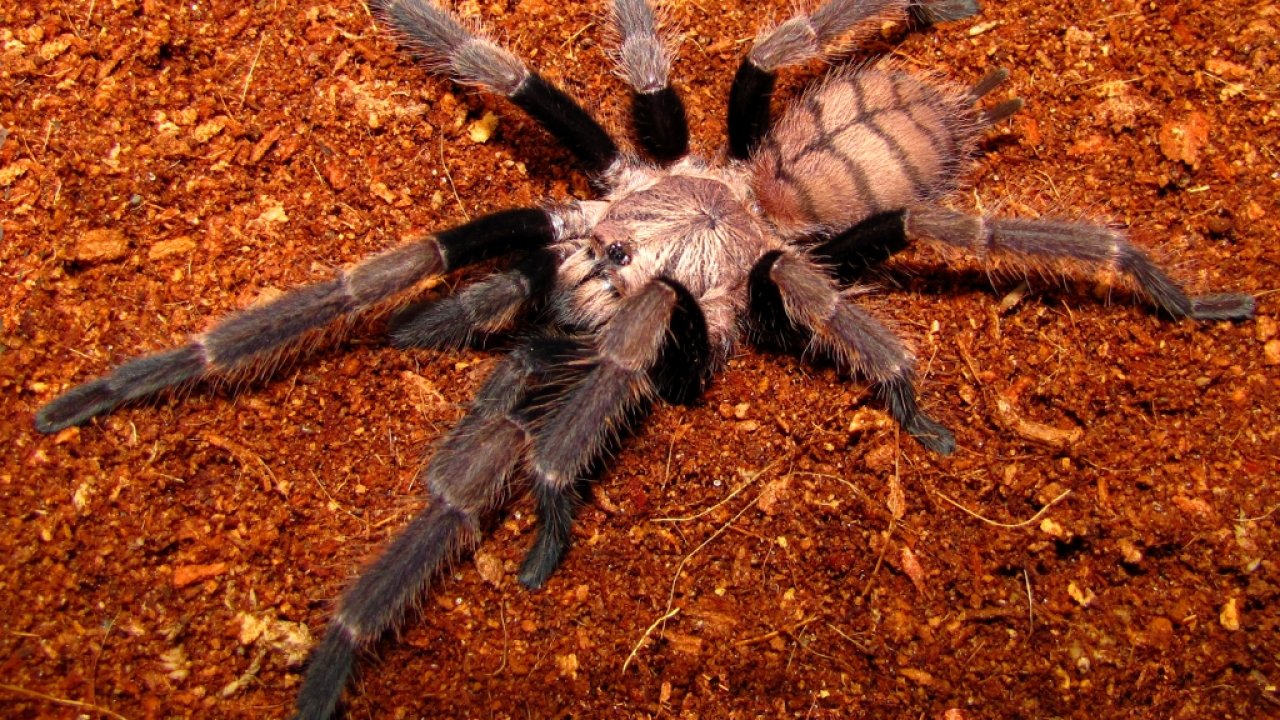
Chilobrachys fimbriatus
Indian Violet
Advanced Demanding or potentially dangerous. May be very fast, defensive, or have medically significant venom. Experienced keepers only. 🕳️ Fossorial Lives underground in deep burrows. Needs deep, packed substrate to dig. You may rarely see them - patience required. 🌍 Old World From Africa, Asia or Australasia: no urticating hairs - defence is speed and a potent bite. Medically significant venom possible. ⚠️ Defensive Will adopt a threat posture (rearing up, showing fangs) when disturbed. May bite if provoked. Approach with care and use a catch cup for rehoming. ⚡ Fast Moves very quickly, especially when startled. Can cross an enclosure in the blink of an eye. Not recommended for handling. ☠️ Potent venom Possesses medically significant venom. A bite can cause intense pain, muscle cramps, sweating, and may require medical attention. Old World species typically fall here as they lack urticating hairs.- Temp
- 22-28°C
- Humidity
- 65-80%
- Adult DLS
- 14-17 cm
- Moult
- Sling ~3w - Adult ~12mo
Indian violet - fossorial. Deep damp substrate (15-20 cm), starter burrow. They excavate elaborate tunnel systems and web heavily around the entrance.
-
 🕳️ Fossorial
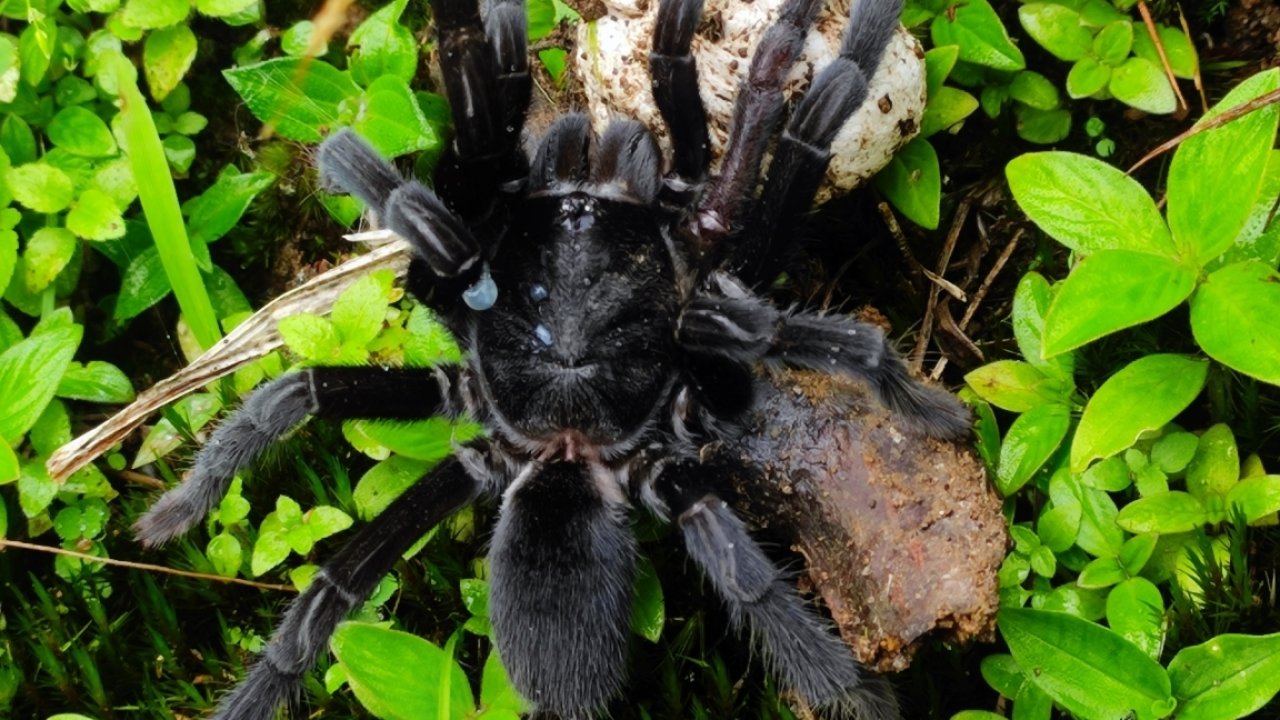
Chilobrachys fumosus
Asian Smoky
Advanced Demanding or potentially dangerous. May be very fast, defensive, or have medically significant venom. Experienced keepers only. 🕳️ Fossorial Lives underground in deep burrows. Needs deep, packed substrate to dig. You may rarely see them - patience required. 🌍 Old World From Africa, Asia or Australasia: no urticating hairs - defence is speed and a potent bite. Medically significant venom possible. 🔴 Aggressive Actively moves toward perceived threats rather than retreating. May bite without much provocation. Experienced keepers only - always use tools, never hands. ☠️ Potent venom Possesses medically significant venom. A bite can cause intense pain, muscle cramps, sweating, and may require medical attention. Old World species typically fall here as they lack urticating hairs. ⚡ Fast Moves very quickly, especially when startled. Can cross an enclosure in the blink of an eye. Not recommended for handling. 🕸️ Heavy webber Dense, prolific webbing behaviour. Will carpet the entire enclosure in thick silk - this is normal and healthy. Provides a visual indicator of the spider's territory.- Temp
- 24-28°C
- Humidity
- 70-80%
- Adult DLS
- 13-15 cm
- Moult
- Sling ~3w - Adult ~9mo
Smoky-brown Asian fossorial - potent venom and a serious attitude. Deep substrate essential.
-
🕳️ Fossorial
Chilobrachys guangxiensis
Chinese Fawn
Advanced Demanding or potentially dangerous. May be very fast, defensive, or have medically significant venom. Experienced keepers only. 🕳️ Fossorial Lives underground in deep burrows. Needs deep, packed substrate to dig. You may rarely see them - patience required. 🌍 Old World From Africa, Asia or Australasia: no urticating hairs - defence is speed and a potent bite. Medically significant venom possible. ⚠️ Defensive Will adopt a threat posture (rearing up, showing fangs) when disturbed. May bite if provoked. Approach with care and use a catch cup for rehoming. ⚡ Fast Moves very quickly, especially when startled. Can cross an enclosure in the blink of an eye. Not recommended for handling. 🕸️ Heavy webber Dense, prolific webbing behaviour. Will carpet the entire enclosure in thick silk - this is normal and healthy. Provides a visual indicator of the spider's territory. Old world 🍽️ Voracious eater Aggressive feeding response. Will tackle prey eagerly and rarely refuses a meal. Adjust feeding schedule accordingly - overfeeding shortens lifespan.- Temp
- 24-28°C
- Humidity
- 70-80%
- Adult DLS
- 13-15 cm
- Moult
- Sling ~3w - Adult ~8mo
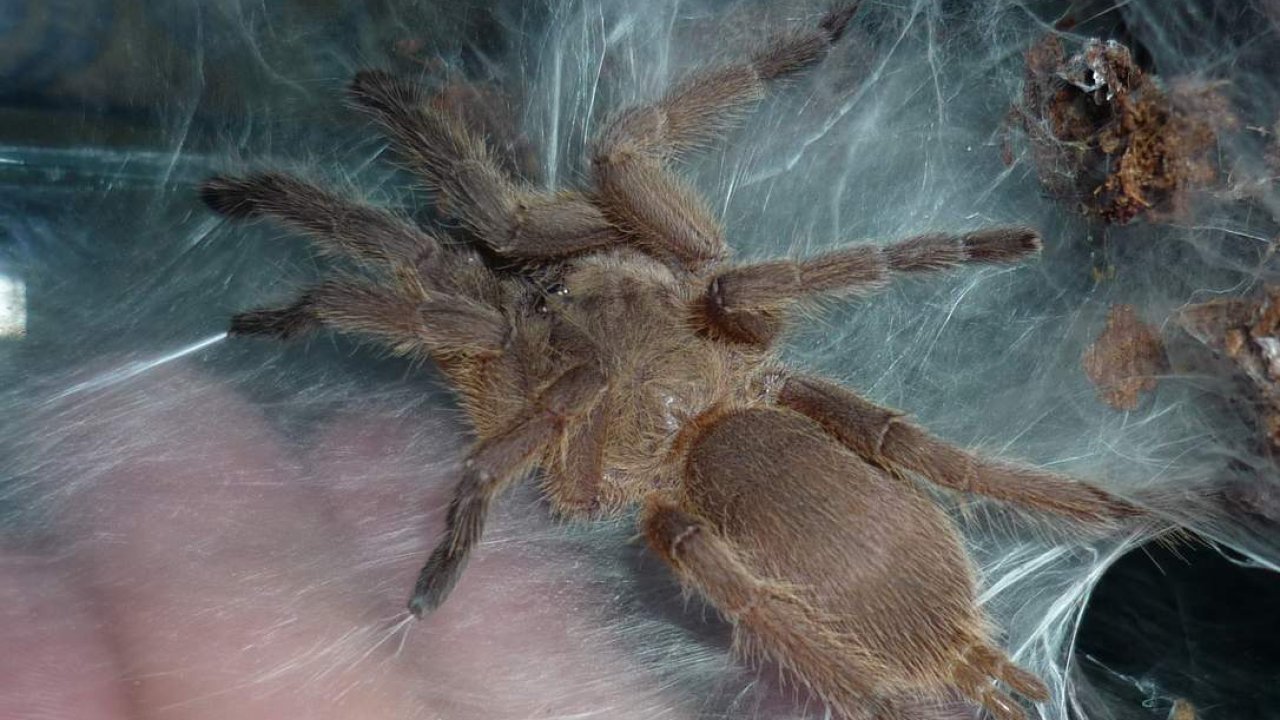
The Chinese Fawn (also traded under its synonym C. jingzhao, and found on Hainan despite the name) - a big fawn-and-smoke earth tiger with a temperament to match: UK vendors literally rate it the nastiest in a packed field of Asian fossorials, making a Cobalt Blue look friendly. What you get for your nerve is spectacular sheet-web funnel architecture engulfing the enclosure, teleport-speed defence and a ferocious feeding response, at 13-15 cm for pocket-change sling prices. Advanced keepers only - strong Old World venom and zero hesitation.
-
 🕳️ Fossorial
Chilobrachys huahini
Hua Hin Earth Tiger
Advanced Demanding or potentially dangerous. May be very fast, defensive, or have medically significant venom. Experienced keepers only. 🕳️ Fossorial Lives underground in deep burrows. Needs deep, packed substrate to dig. You may rarely see them - patience required. 🌍 Old World From Africa, Asia or Australasia: no urticating hairs - defence is speed and a potent bite. Medically significant venom possible. ⚠️ Defensive Will adopt a threat posture (rearing up, showing fangs) when disturbed. May bite if provoked. Approach with care and use a catch cup for rehoming. ⚡ Fast Moves very quickly, especially when startled. Can cross an enclosure in the blink of an eye. Not recommended for handling. ☠️ Potent venom Possesses medically significant venom. A bite can cause intense pain, muscle cramps, sweating, and may require medical attention. Old World species typically fall here as they lack urticating hairs.- Temp
- 22-28°C
- Humidity
- 65-80%
- Adult DLS
- 14-17 cm
- Moult
- Sling ~3w - Adult ~12mo
Hua Hin Earth Tiger - deep damp packed substrate, starter burrow. 75-80% humidity. Defensive; catch-cup rehousing.


