
Species library
255 species profiled with accurate care data. Click any species to start a specimen record pre-filled.
+ Request a species
-
 🌍 Terrestrial
Euathlus sp. Valparaiso
Valparaiso Rose
Beginner Forgiving of common mistakes. Tolerant of temperature/humidity variation. Great first tarantula. 🌍 Terrestrial Lives on or near the ground. Needs floor space more than height. Falls from height can be fatal - keep décor low. 🌎 New World From the Americas: can flick urticating (irritating) hairs as a first defence, and venom is generally milder. 🟢 Docile Generally slow-moving and tolerant of handling. Rarely threatens or bites. Great for beginners. 🟢 Calm Deliberate and unhurried movements. Not easily startled. Usually sits contentedly in the open. ⏳ Long-lived Females can live 15-30+ years with good care. A significant long-term commitment compared to the 2-5 year male lifespan.- Temp
- 20-24°C
- Humidity
- 50-60%
- Adult DLS
- 13-16 cm
- Moult
- Sling ~4w - Adult ~10mo
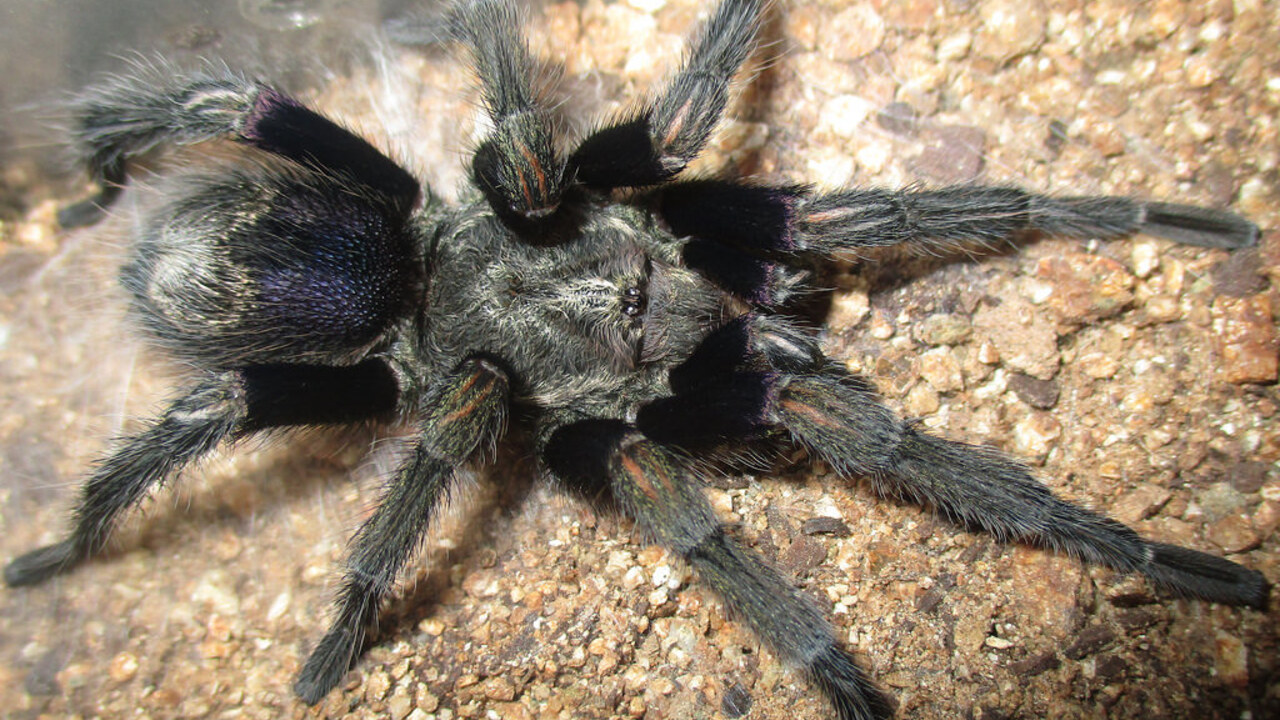
An undescribed Chilean Euathlus from the Valparaíso Region that entered the hobby via a 2008 import and was previously sold as "Aphonopelma aberrans" - a name now considered a nomen dubium (Gabriel, 2013). Physically very similar to E. truculentus but noticeably larger: a brown body, golden carapace, red-brown abdominal hairs and two reddish knee stripes on a 13-15 cm frame - one of the biggest of the Chilean Euathlus group. Field observations note it shelters under large rocks and in crevices rather than excavating burrows. Same famous calm temperament; slow-growing with decades-lived females.
-
 🌍 Terrestrial
Euathlus truculentus blue
Chilean Blue Femur
Beginner Forgiving of common mistakes. Tolerant of temperature/humidity variation. Great first tarantula. 🌍 Terrestrial Lives on or near the ground. Needs floor space more than height. Falls from height can be fatal - keep décor low. 🌎 New World From the Americas: can flick urticating (irritating) hairs as a first defence, and venom is generally milder. 🟢 Docile Generally slow-moving and tolerant of handling. Rarely threatens or bites. Great for beginners. 🟢 Calm Deliberate and unhurried movements. Not easily startled. Usually sits contentedly in the open. ⏳ Long-lived Females can live 15-30+ years with good care. A significant long-term commitment compared to the 2-5 year male lifespan.- Temp
- 20-24°C
- Humidity
- 50-65%
- Adult DLS
- 8-10 cm
- Moult
- Sling ~4w - Adult ~11mo
The metallic blue-femur colour form of Euathlus truculentus - the type species of the genus, described by L. Koch in 1875 from central Chile and confirmed valid in the World Spider Catalog. A small, beautifully marked dwarf (8-10 cm) from Mediterranean scrubland around Coquimbo and Valparaíso: dark body, glowing blue-grey femora and famously placid "guinea pig" temper. One of the calmest tarantulas in the hobby - slow-moving, inquisitive, almost never defensive. Very slow-growing and cool-tolerant; captive-bred slings appear periodically in the UK at £50-65.
-
🕳️ Fossorial
Eucratoscelus pachypus
Tanzania Stout Leg
Intermediate Requires consistent husbandry - more sensitive to ventilation, humidity, or feeding schedule. Some experience recommended. 🕳️ Fossorial Lives underground in deep burrows. Needs deep, packed substrate to dig. You may rarely see them - patience required. 🌍 Old World From Africa, Asia or Australasia: no urticating hairs - defence is speed and a potent bite. Medically significant venom possible. ⚠️ Defensive Will adopt a threat posture (rearing up, showing fangs) when disturbed. May bite if provoked. Approach with care and use a catch cup for rehoming. 🕸️ Heavy webber Dense, prolific webbing behaviour. Will carpet the entire enclosure in thick silk - this is normal and healthy. Provides a visual indicator of the spider's territory. Old world- Temp
- 24-28°C
- Humidity
- 50-65%
- Adult DLS
- 10-12 cm
- Moult
- Sling ~3w - Adult ~10mo
The Tanzania Stout Leg - an arid-country oddity unmistakable at a glance: normal front legs, then two enormous club-shaped rear pairs used as digging shovels and anchors. A statue-still pet hole that excavates deep vertical shafts in hard Tanzanian scrub soil, then explodes into motion when molested - defensive with assumed-potent Old World venom, but far more manageable than the Asian earth tigers, and often recommended as a first fossorial Old World for that reason. Sporadic UK availability makes CB stock worth grabbing.
-
 🌍 Terrestrial
Eupalaestrus campestratus
Pink Zebra Beauty
Beginner Forgiving of common mistakes. Tolerant of temperature/humidity variation. Great first tarantula. 🌍 Terrestrial Lives on or near the ground. Needs floor space more than height. Falls from height can be fatal - keep décor low. 🌎 New World From the Americas: can flick urticating (irritating) hairs as a first defence, and venom is generally milder. 🟢 Docile Generally slow-moving and tolerant of handling. Rarely threatens or bites. Great for beginners. 🟢 Calm Deliberate and unhurried movements. Not easily startled. Usually sits contentedly in the open. ⏳ Long-lived Females can live 15-30+ years with good care. A significant long-term commitment compared to the 2-5 year male lifespan.- Temp
- 22-26°C
- Humidity
- 65-75%
- Adult DLS
- 12-14 cm
- Moult
- Sling ~3w - Adult ~12mo
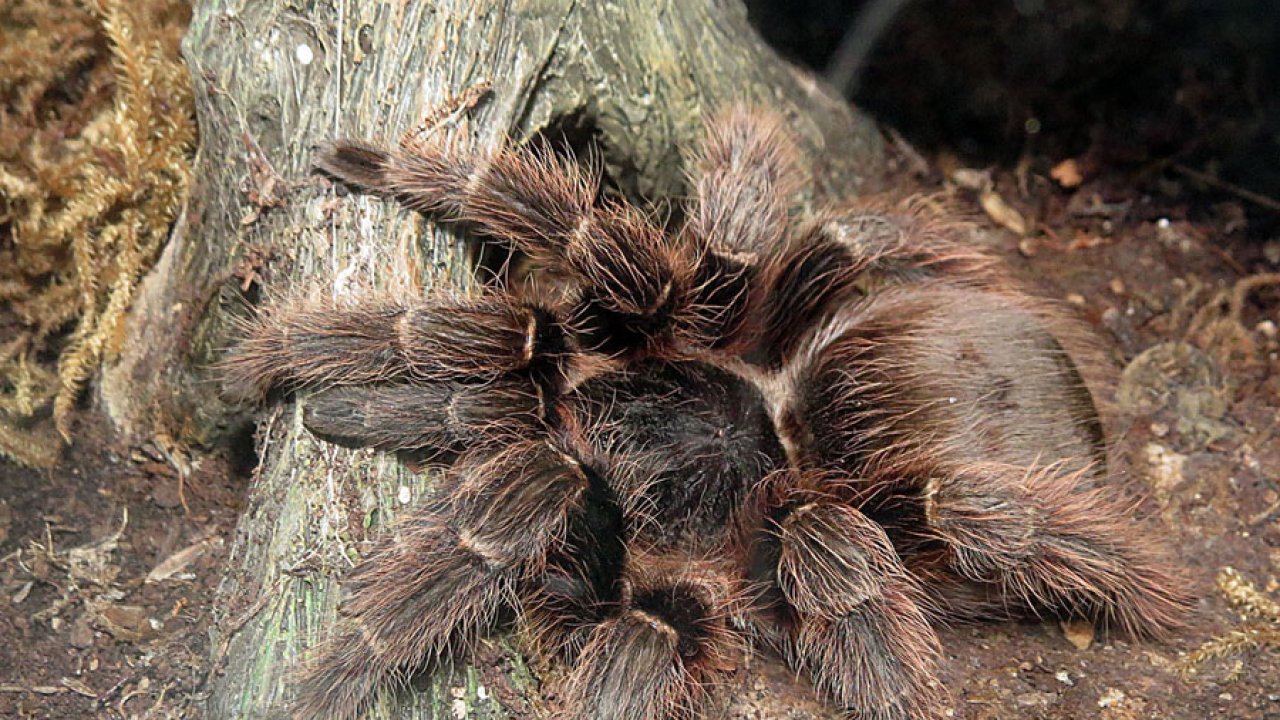
Pinkish-brown with faint striping on the legs. Very docile - a great alternative to Grammostola.
-
 🌍 Terrestrial
Eupalaestrus larae
Argentine Pink Zebra Beauty
Beginner Forgiving of common mistakes. Tolerant of temperature/humidity variation. Great first tarantula. 🌍 Terrestrial Lives on or near the ground. Needs floor space more than height. Falls from height can be fatal - keep décor low. 🌎 New World From the Americas: can flick urticating (irritating) hairs as a first defence, and venom is generally milder. 🟢 Docile Generally slow-moving and tolerant of handling. Rarely threatens or bites. Great for beginners. 🟢 Calm Deliberate and unhurried movements. Not easily startled. Usually sits contentedly in the open. ⏳ Long-lived Females can live 15-30+ years with good care. A significant long-term commitment compared to the 2-5 year male lifespan.- Temp
- 22-26°C
- Humidity
- 55-65%
- Adult DLS
- 13-15 cm
- Moult
- Sling ~4w - Adult ~11mo
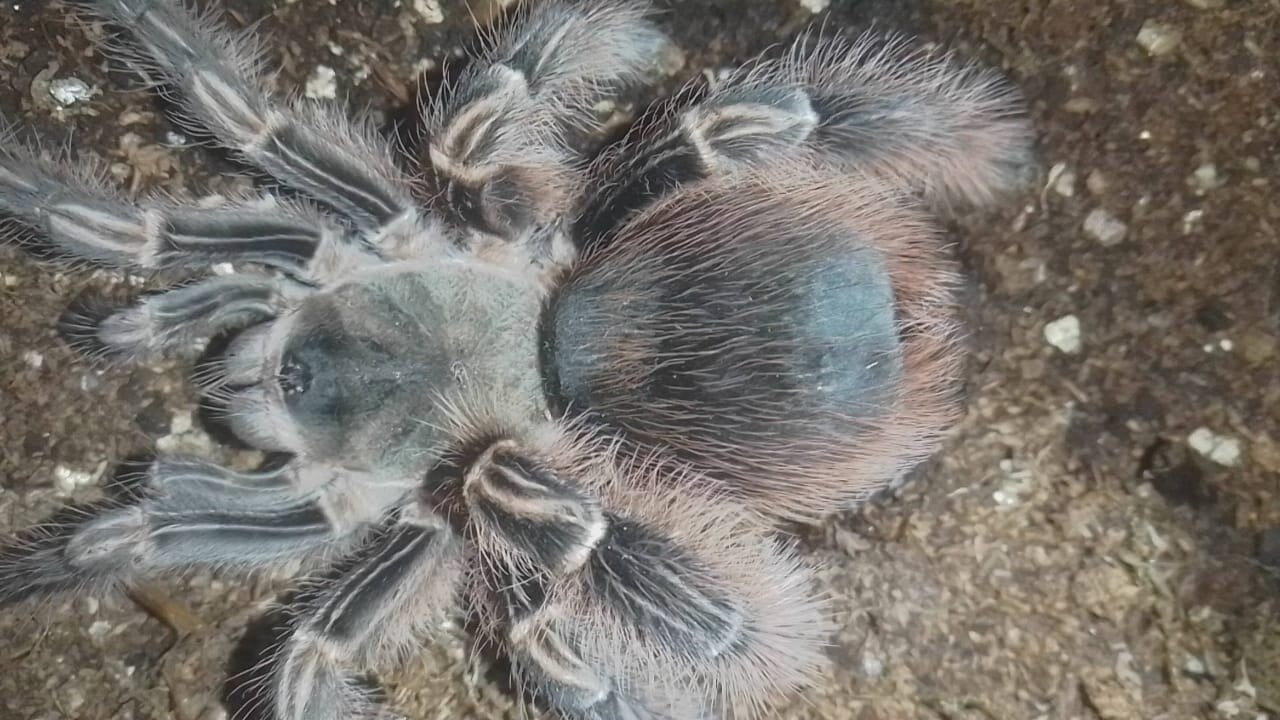
The Argentine Pink Zebra Beauty - described as recently as 2012 from the Chaco of Argentina and quietly one of the best beginner tarantulas nobody has heard of: a big rosy-cream zebra-striped female (13-15 cm) with the calmest temperament in the trade, happy at UK room temperature, and an enthusiastic substrate landscaper that restructures its enclosure nightly. Distinguish from its cousin campestratus by the striped rear legs. Slow-growing with 20-year female lifespans - buy a sling, inherit a family heirloom.
-
 🌍 Terrestrial
Ewok pruriens
Green Velvet
Beginner Forgiving of common mistakes. Tolerant of temperature/humidity variation. Great first tarantula. 🌍 Terrestrial Lives on or near the ground. Needs floor space more than height. Falls from height can be fatal - keep décor low. 🌎 New World From the Americas: can flick urticating (irritating) hairs as a first defence, and venom is generally milder. 🟢 Docile Generally slow-moving and tolerant of handling. Rarely threatens or bites. Great for beginners. ⚠️ Flicks hairs Uses urticating (barbed) hairs on the abdomen as a primary defence. These hairs can cause skin irritation and must be kept away from eyes. New World species only.- Temp
- 20-26°C
- Humidity
- 55-70%
- Adult DLS
- 10-13 cm
- Moult
- Sling ~3w - Adult ~11mo
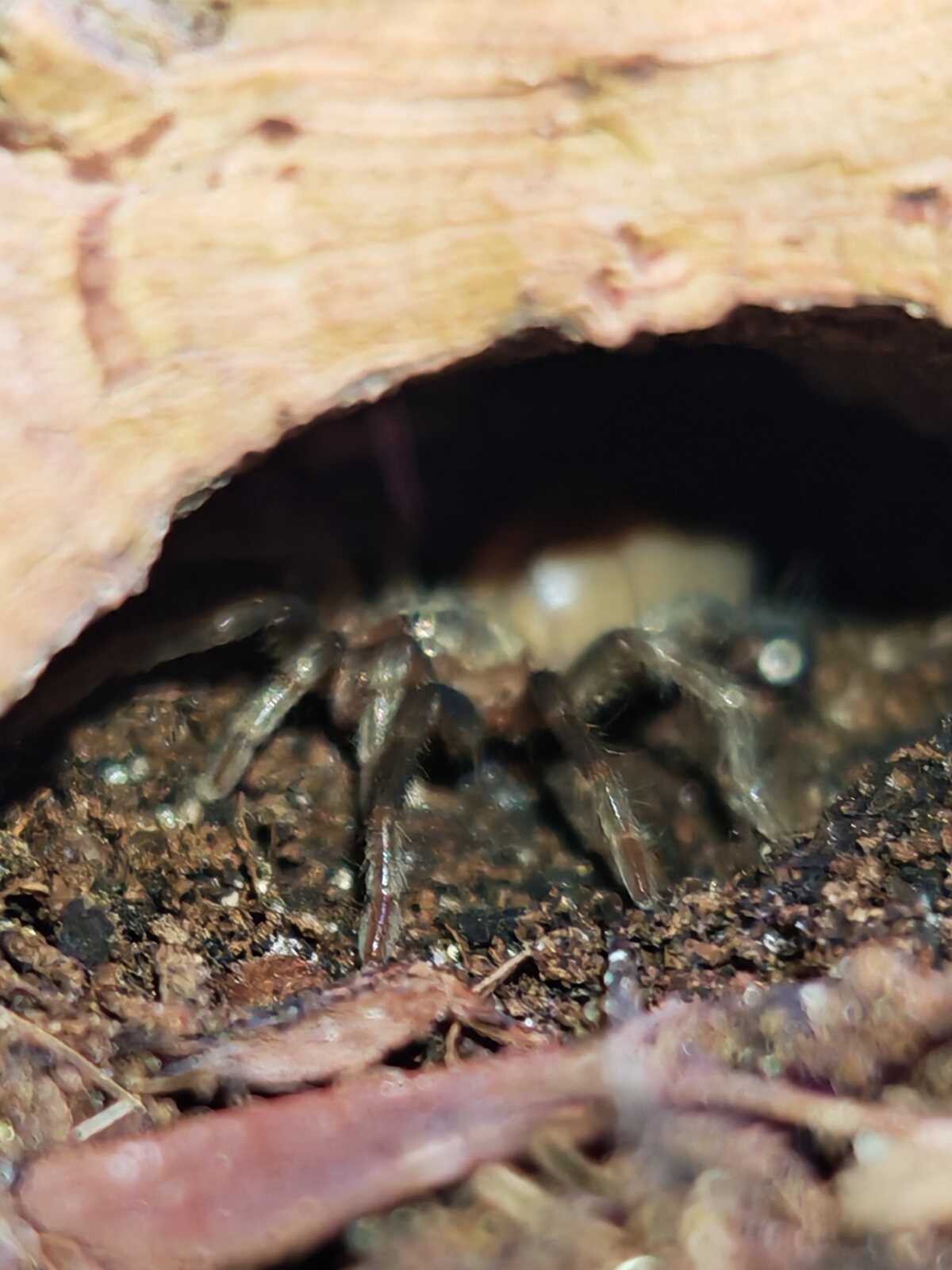
Peruvian velvet with an olive-green metallic carapace and greenish shimmer, brightest just after a moult. One of the few tarantulas genuinely happy at ordinary UK room temperature - its arid scrub home means dry substrate, a water dish and no extra heat. Docile and a great display spider that sits out in the open, but a notorious hair-kicker: pretty, not pettable. (Renamed Ewok pruriens in the 2025 Sherwood et al. revision - most of the old Thrixopelma genus moved into the newly erected Ewok, named after the Star Wars Ewoks because they too are small and furry. UK trade now sells it as "Ewok pruriens" / "Endor Green Velvet"; husbandry is unchanged.)
-
 🌍 Terrestrial
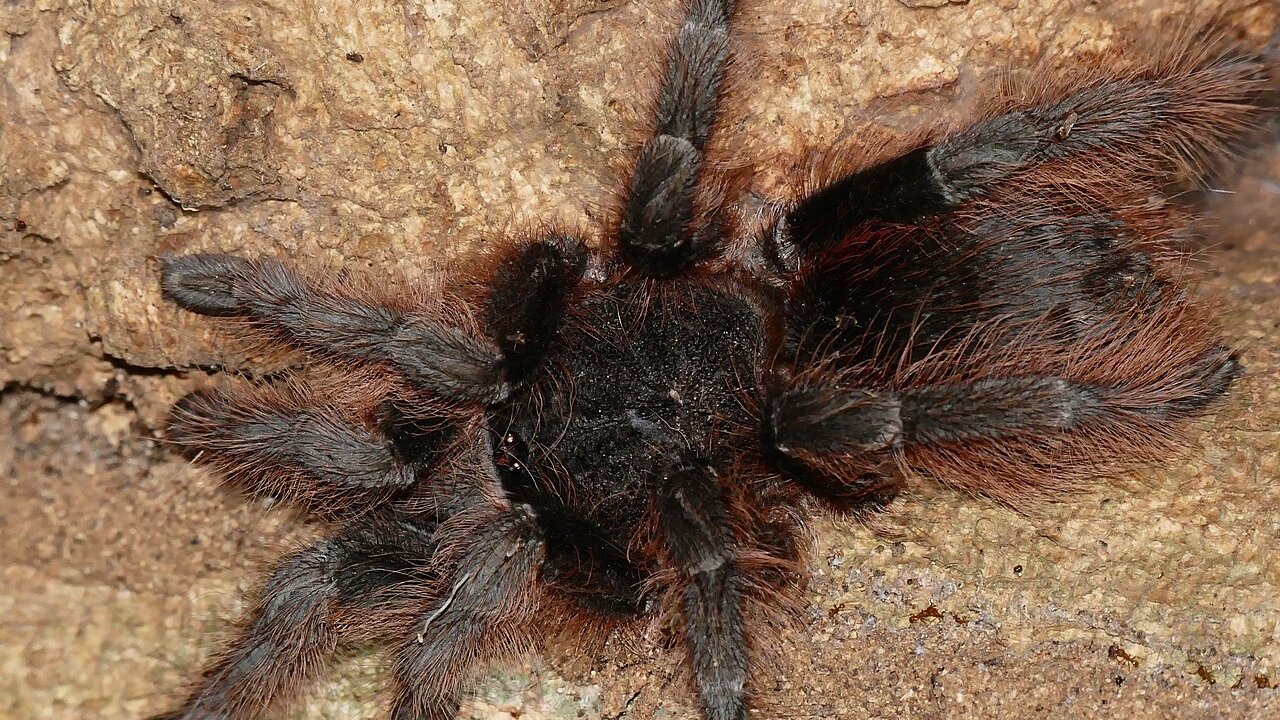
Grammostola actaeon
Brazilian Woolly Black
Intermediate Requires consistent husbandry - more sensitive to ventilation, humidity, or feeding schedule. Some experience recommended. 🌍 Terrestrial Lives on or near the ground. Needs floor space more than height. Falls from height can be fatal - keep décor low. 🌎 New World From the Americas: can flick urticating (irritating) hairs as a first defence, and venom is generally milder. Food-aggressive Bold feeding response: will bolt at anything that moves, including tongs and fingers. Not a handling temperament - feed with long tongs. 🟢 Calm Deliberate and unhurried movements. Not easily startled. Usually sits contentedly in the open. ⏳ Long-lived Females can live 15-30+ years with good care. A significant long-term commitment compared to the 2-5 year male lifespan.- Temp
- 22-26°C
- Humidity
- 65-75%
- Adult DLS
- 16-20 cm
- Moult
- Sling ~3w - Adult ~18mo
Stocky chocolate-brown tarantula with pinkish setae. Rarely seen in the UK hobby but occasionally available.
-
 🌍 Terrestrial
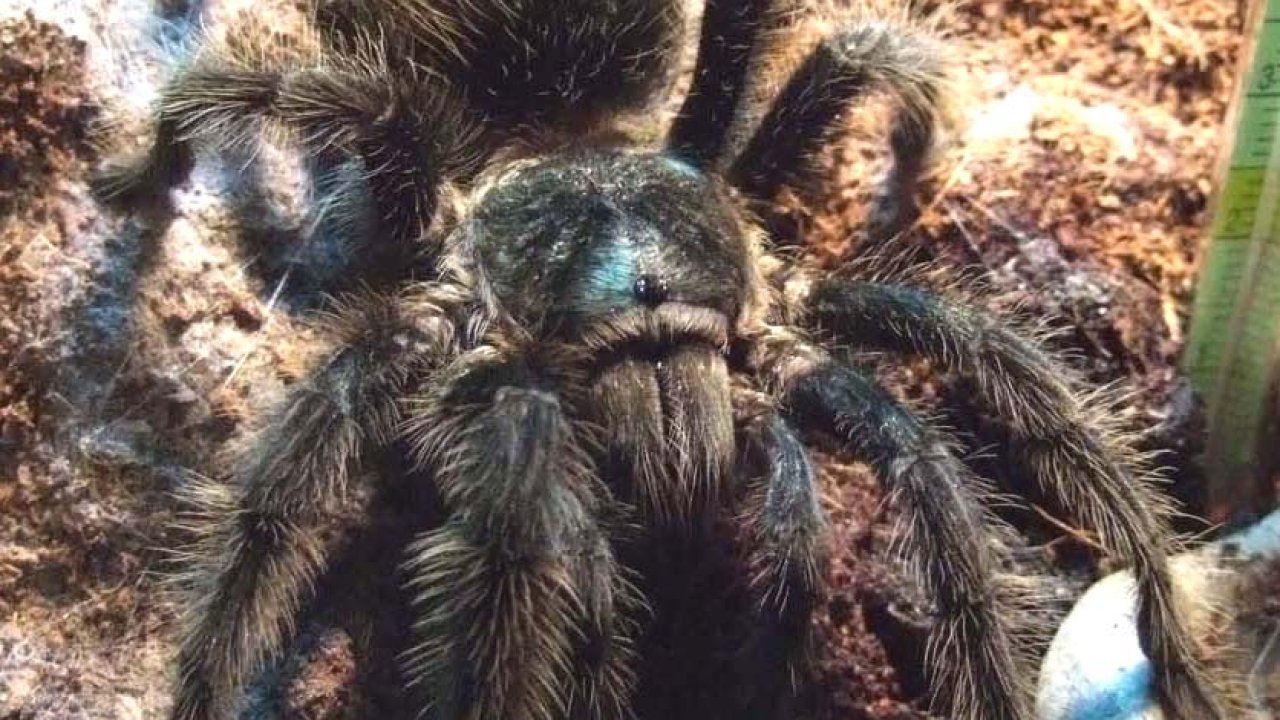
Grammostola grossa
Pampas Tawny Red
Beginner Forgiving of common mistakes. Tolerant of temperature/humidity variation. Great first tarantula. 🌍 Terrestrial Lives on or near the ground. Needs floor space more than height. Falls from height can be fatal - keep décor low. 🌎 New World From the Americas: can flick urticating (irritating) hairs as a first defence, and venom is generally milder. 🟢 Docile Generally slow-moving and tolerant of handling. Rarely threatens or bites. Great for beginners. 🟢 Calm Deliberate and unhurried movements. Not easily startled. Usually sits contentedly in the open. ⏳ Long-lived Females can live 15-30+ years with good care. A significant long-term commitment compared to the 2-5 year male lifespan.- Temp
- 22-26°C
- Humidity
- 60-70%
- Adult DLS
- 15-19 cm
- Moult
- Sling ~3w - Adult ~24mo
Larger and browner than G. pulchra. Very docile, very slow-growing.
-
 🌍 Terrestrial
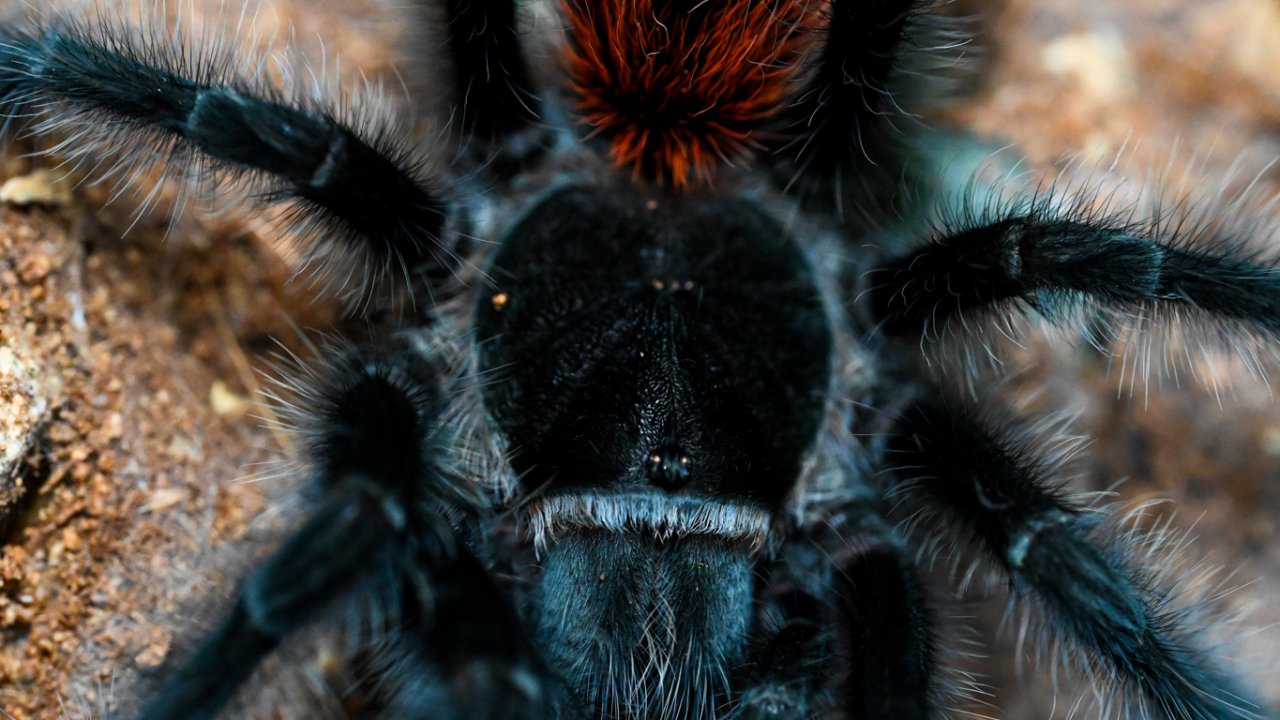
Grammostola iheringi
Entre Ríos Tarantula
Intermediate Requires consistent husbandry - more sensitive to ventilation, humidity, or feeding schedule. Some experience recommended. 🌍 Terrestrial Lives on or near the ground. Needs floor space more than height. Falls from height can be fatal - keep décor low. 🌎 New World From the Americas: can flick urticating (irritating) hairs as a first defence, and venom is generally milder. 🟢 Docile Generally slow-moving and tolerant of handling. Rarely threatens or bites. Great for beginners. 🟢 Calm Deliberate and unhurried movements. Not easily startled. Usually sits contentedly in the open. ⚠️ Flicks hairs Uses urticating (barbed) hairs on the abdomen as a primary defence. These hairs can cause skin irritation and must be kept away from eyes. New World species only. ⏳ Long-lived Females can live 15-30+ years with good care. A significant long-term commitment compared to the 2-5 year male lifespan.- Temp
- 22-26°C
- Humidity
- 65-75%
- Adult DLS
- 16-20 cm
- Moult
- Sling ~3w - Adult ~18mo
Larger and redder than G. pulchra. Slow grower, defensive of burrows when disturbed.
-
 🌍 Terrestrial
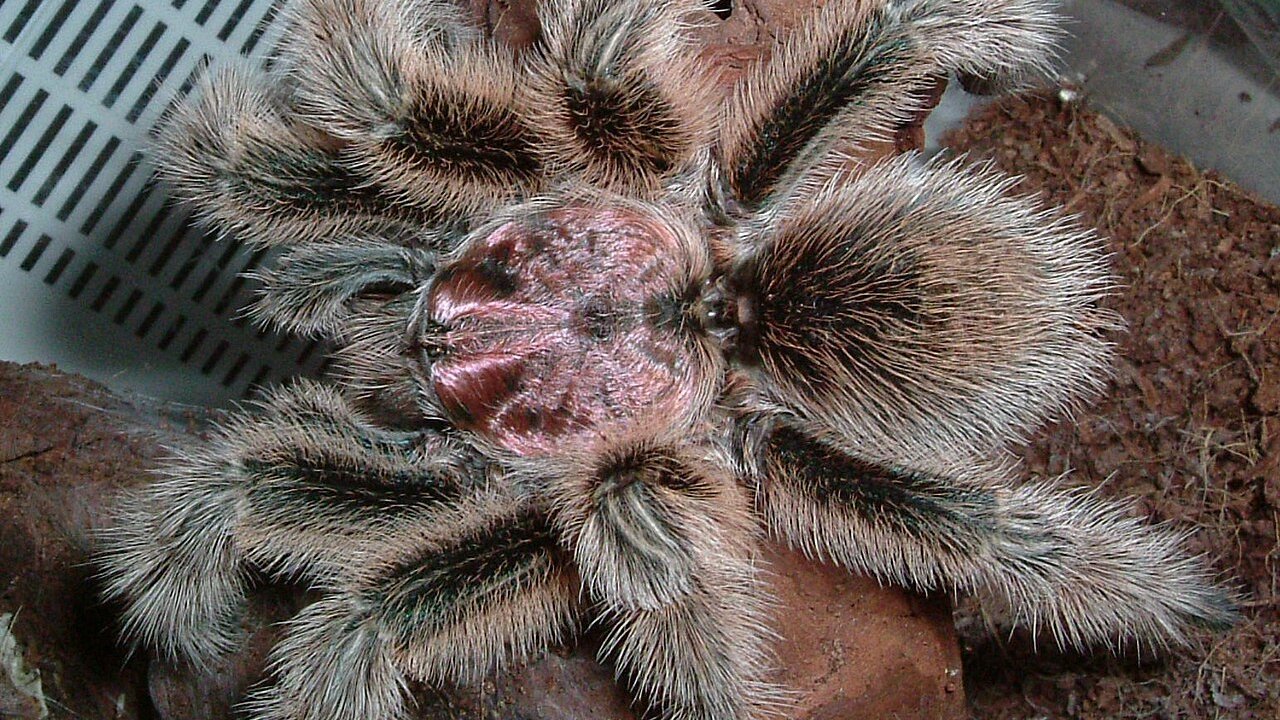
Grammostola porteri
Northern Chilean Rose
Beginner Forgiving of common mistakes. Tolerant of temperature/humidity variation. Great first tarantula. 🌍 Terrestrial Lives on or near the ground. Needs floor space more than height. Falls from height can be fatal - keep décor low. 🌎 New World From the Americas: can flick urticating (irritating) hairs as a first defence, and venom is generally milder. 💨 Skittish Easily startled - may bolt or dart suddenly when disturbed. Secure lids are essential as they can be escape artists. ⚠️ Flicks hairs Uses urticating (barbed) hairs on the abdomen as a primary defence. These hairs can cause skin irritation and must be kept away from eyes. New World species only.- Temp
- 22-28°C
- Humidity
- 60-75%
- Adult DLS
- 13-15 cm
- Moult
- Sling ~3w - Adult ~12mo
Northern Chilean rose - identical care to G. rosea: dry substrate, water dish, minimal fuss.
-
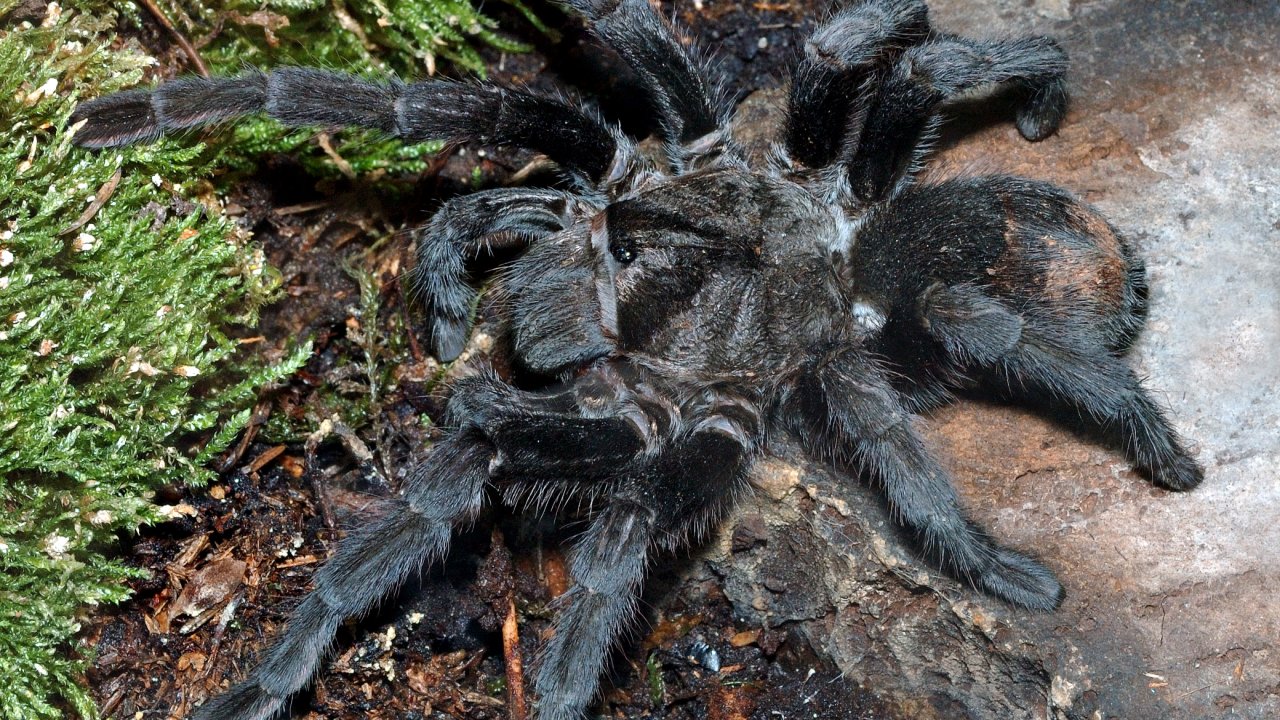 🌍 Terrestrial
Grammostola pulchra
Brazilian Black
Beginner Forgiving of common mistakes. Tolerant of temperature/humidity variation. Great first tarantula. 🌍 Terrestrial Lives on or near the ground. Needs floor space more than height. Falls from height can be fatal - keep décor low. 🌎 New World From the Americas: can flick urticating (irritating) hairs as a first defence, and venom is generally milder. 🟢 Docile Generally slow-moving and tolerant of handling. Rarely threatens or bites. Great for beginners. 🟢 Calm Deliberate and unhurried movements. Not easily startled. Usually sits contentedly in the open. ⏳ Long-lived Females can live 15-30+ years with good care. A significant long-term commitment compared to the 2-5 year male lifespan.- Temp
- 22-26°C
- Humidity
- 60-70%
- Adult DLS
- 15-19 cm
- Moult
- Sling ~3w - Adult ~24mo
Velvety jet-black, very slow-growing and docile. Tolerant of dry conditions but appreciates a moist retreat.
-
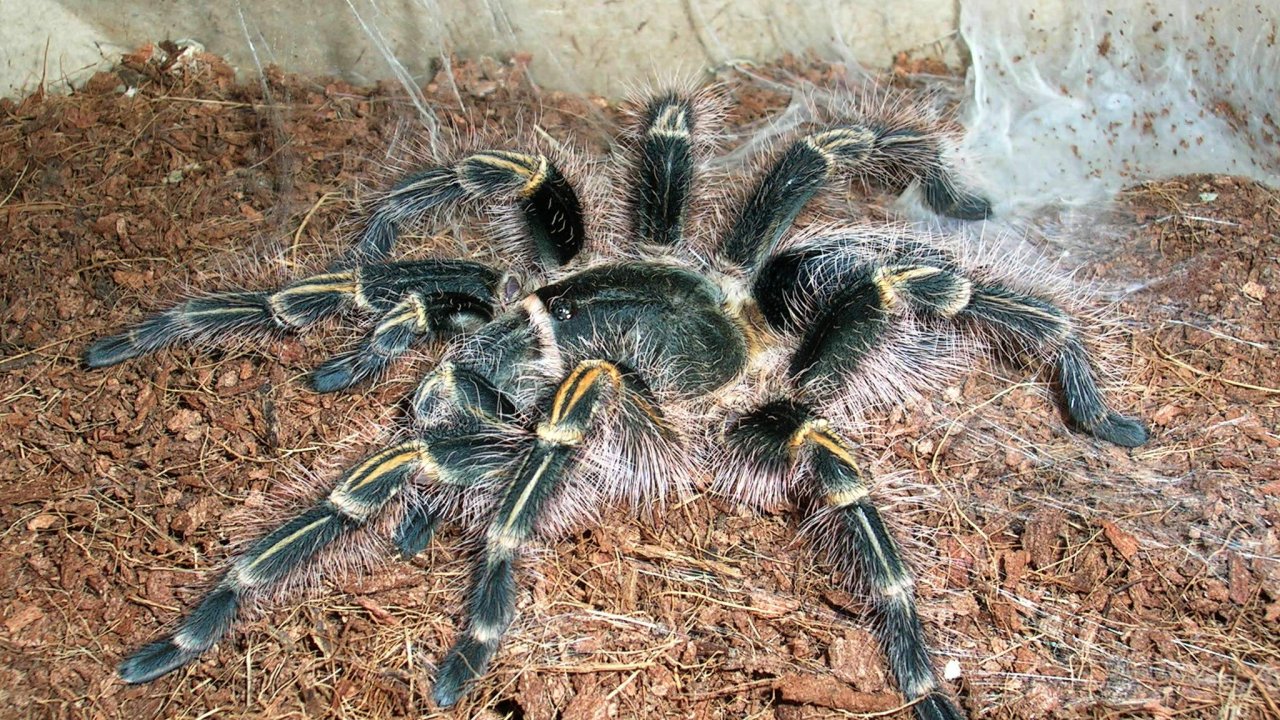 🌍 Terrestrial
Grammostola pulchripes
Chaco Golden Knee
Beginner Forgiving of common mistakes. Tolerant of temperature/humidity variation. Great first tarantula. 🌍 Terrestrial Lives on or near the ground. Needs floor space more than height. Falls from height can be fatal - keep décor low. 🌎 New World From the Americas: can flick urticating (irritating) hairs as a first defence, and venom is generally milder. 💨 Skittish Easily startled - may bolt or dart suddenly when disturbed. Secure lids are essential as they can be escape artists. ⚠️ Flicks hairs Uses urticating (barbed) hairs on the abdomen as a primary defence. These hairs can cause skin irritation and must be kept away from eyes. New World species only.- Temp
- 22-28°C
- Humidity
- 60-75%
- Adult DLS
- 13-15 cm
- Moult
- Sling ~3w - Adult ~12mo
Chaco golden knee - dry substrate, water dish, hide. 55-65% humidity. Docile, slow-growing, huge adult; premium beginner species.
-
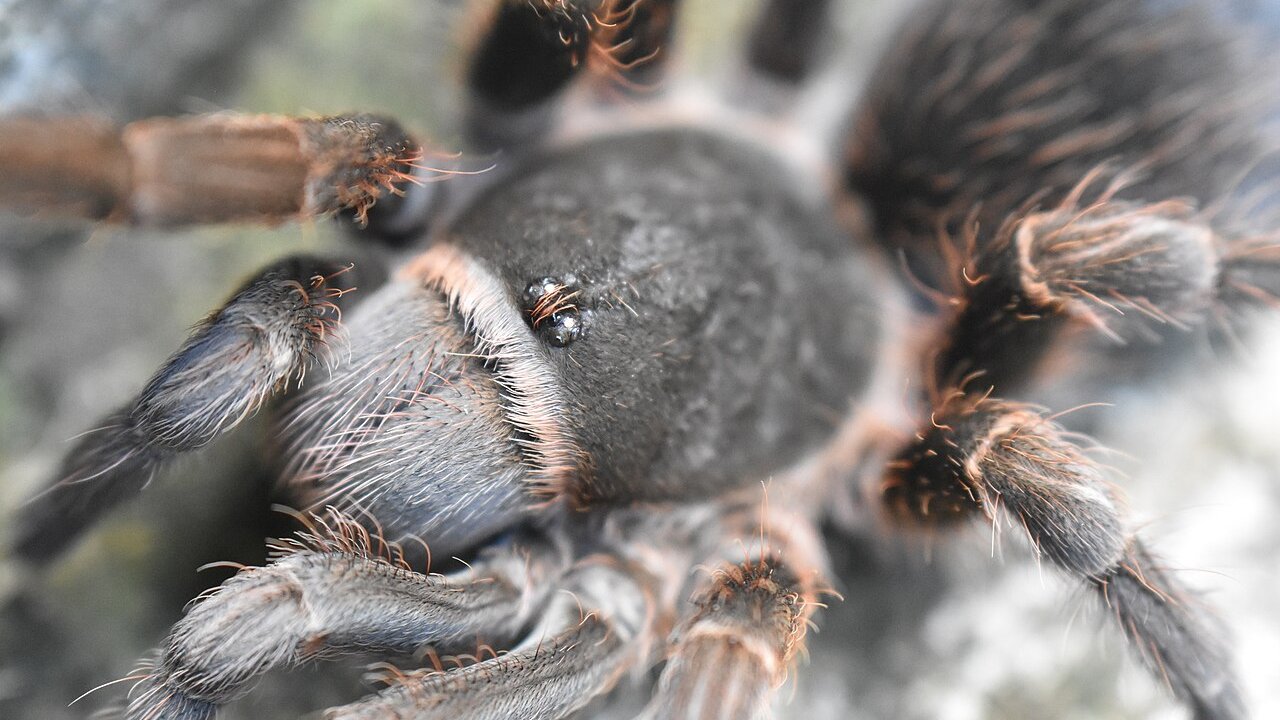 🌍 Terrestrial
Grammostola quirogai
Uruguayan Black Beauty
Beginner Forgiving of common mistakes. Tolerant of temperature/humidity variation. Great first tarantula. 🌍 Terrestrial Lives on or near the ground. Needs floor space more than height. Falls from height can be fatal - keep décor low. 🌎 New World From the Americas: can flick urticating (irritating) hairs as a first defence, and venom is generally milder. 💨 Skittish Easily startled - may bolt or dart suddenly when disturbed. Secure lids are essential as they can be escape artists. ⚠️ Flicks hairs Uses urticating (barbed) hairs on the abdomen as a primary defence. These hairs can cause skin irritation and must be kept away from eyes. New World species only.- Temp
- 22-28°C
- Humidity
- 60-75%
- Adult DLS
- 13-15 cm
- Moult
- Sling ~3w - Adult ~12mo
Chaco grey - standard Grammostola care: dry substrate, water dish, hide. Docile and tolerant.
-
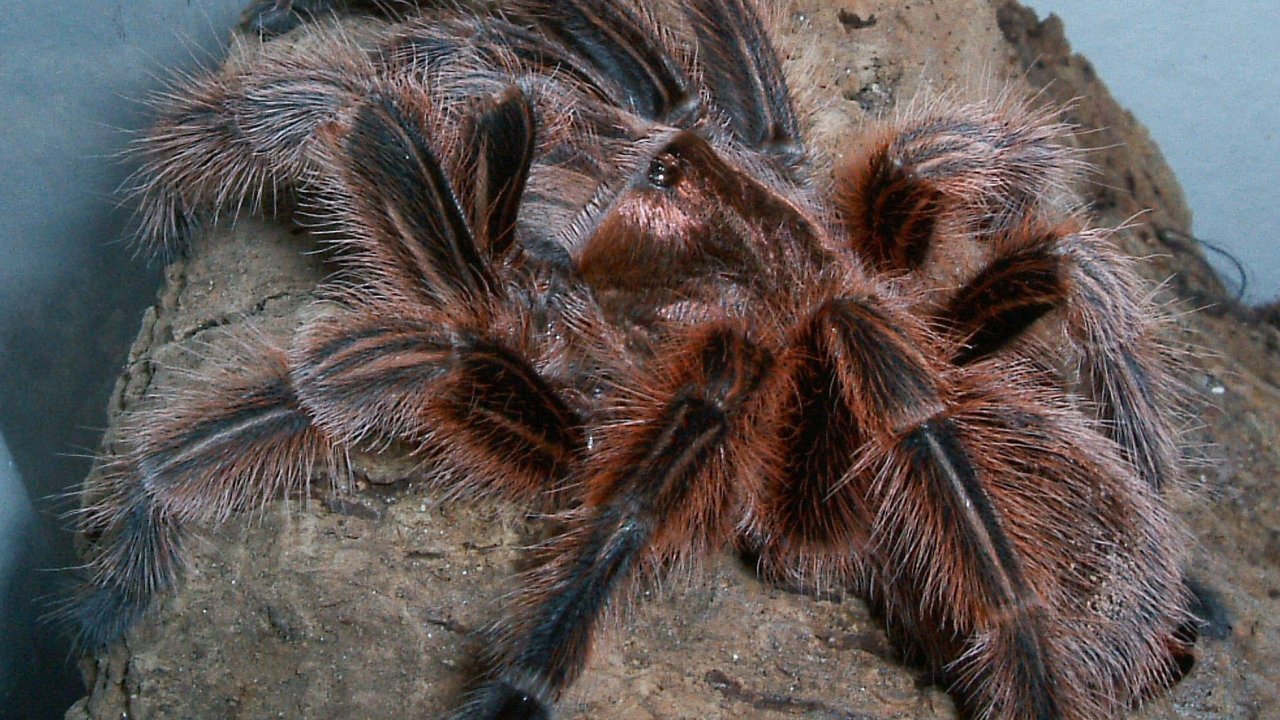 🌍 Terrestrial
Grammostola rosea
Chilean Rose Hair
Beginner Forgiving of common mistakes. Tolerant of temperature/humidity variation. Great first tarantula. 🌍 Terrestrial Lives on or near the ground. Needs floor space more than height. Falls from height can be fatal - keep décor low. 🌎 New World From the Americas: can flick urticating (irritating) hairs as a first defence, and venom is generally milder. 🟢 Docile Generally slow-moving and tolerant of handling. Rarely threatens or bites. Great for beginners. 🟢 Calm Deliberate and unhurried movements. Not easily startled. Usually sits contentedly in the open. ⏳ Long-lived Females can live 15-30+ years with good care. A significant long-term commitment compared to the 2-5 year male lifespan.- Temp
- 22-26°C
- Humidity
- 50-60%
- Adult DLS
- 13-15 cm
- Moult
- Sling ~3w - Adult ~18mo
Hardy, drought-tolerant desert species. Famous for long fasting spells - not a cause for alarm.
-
 🌍 Terrestrial
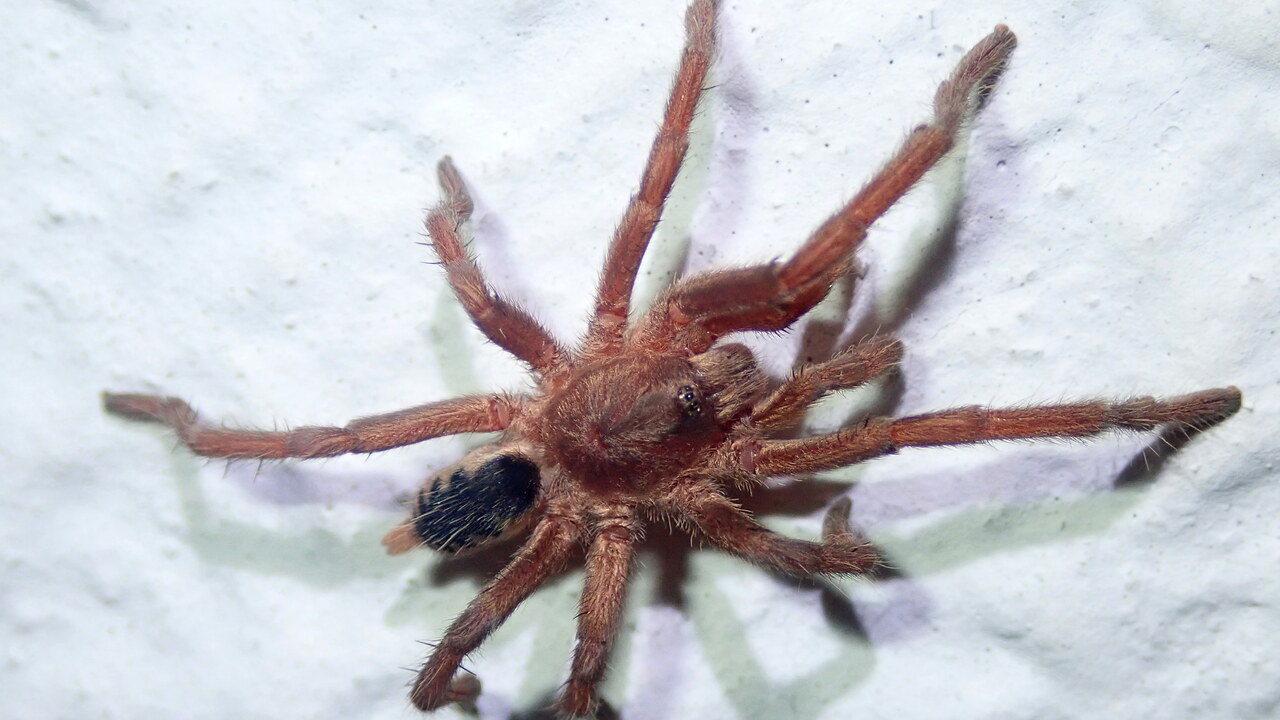
Guyruita cerrado
Brazilian Savannah Dwarf
Beginner Forgiving of common mistakes. Tolerant of temperature/humidity variation. Great first tarantula. 🌍 Terrestrial Lives on or near the ground. Needs floor space more than height. Falls from height can be fatal - keep décor low. 🌎 New World From the Americas: can flick urticating (irritating) hairs as a first defence, and venom is generally milder. 🟢 Docile Generally slow-moving and tolerant of handling. Rarely threatens or bites. Great for beginners. Shy Dwarf- Temp
- 22-25°C
- Humidity
- 70-80%
- Adult DLS
- 7-10 cm
- Moult
- Sling ~3w - Adult ~7mo
The Brazilian Savannah Dwarf (Guyruita cerrado) - TYPE SPECIES of a genus whose name is Tupi for "to go underneath rocks", which is exactly the lifestyle: Cerrado savannah burrows under rocks and bark. Semi-dwarf, unassuming brown until the light catches it, shy but mild, and barely represented in collections. £12 slings make it one of the cheapest genuinely rare genera in the hobby. Give it a pebble and watch the genus name make sense.
-
 🌍 Terrestrial
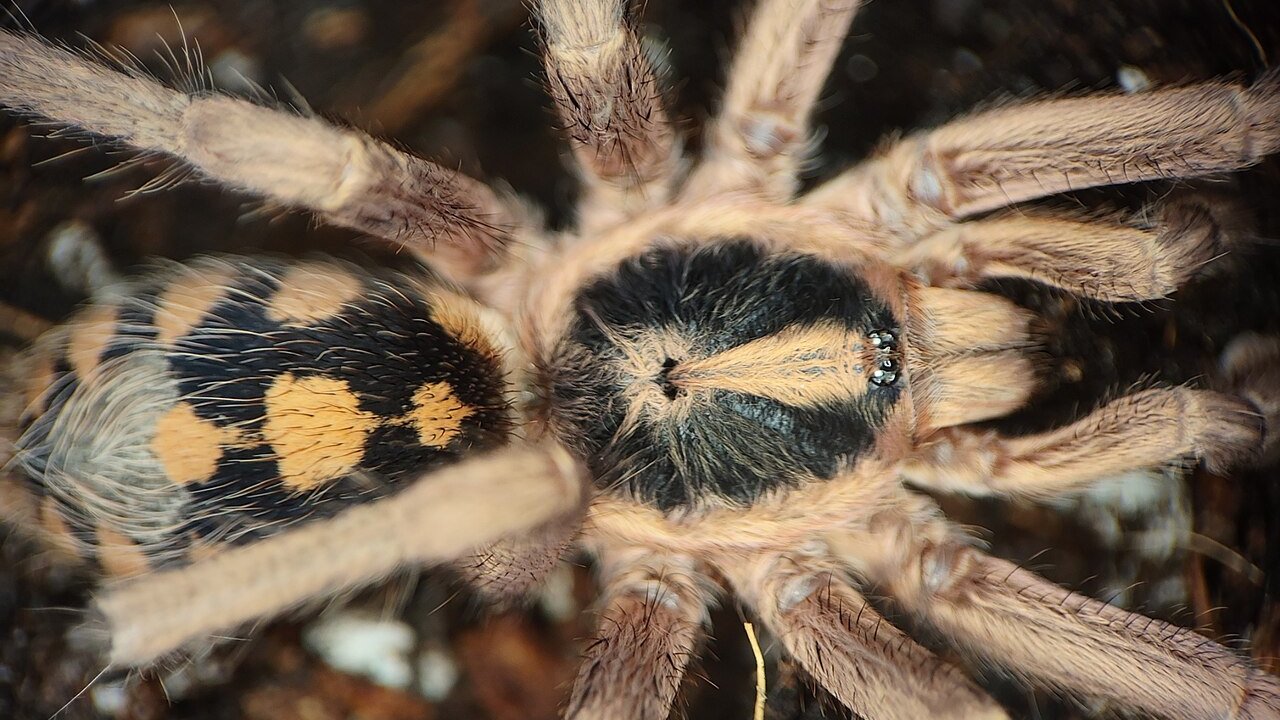
Hapalopus formosus
Pumpkin Patch (large form)
Intermediate Requires consistent husbandry - more sensitive to ventilation, humidity, or feeding schedule. Some experience recommended. 🌍 Terrestrial Lives on or near the ground. Needs floor space more than height. Falls from height can be fatal - keep décor low. 🌎 New World From the Americas: can flick urticating (irritating) hairs as a first defence, and venom is generally milder. 💨 Skittish Easily startled - may bolt or dart suddenly when disturbed. Secure lids are essential as they can be escape artists. ⚠️ Flicks hairs Uses urticating (barbed) hairs on the abdomen as a primary defence. These hairs can cause skin irritation and must be kept away from eyes. New World species only.- Temp
- 22-28°C
- Humidity
- 60-75%
- Adult DLS
- 13-15 cm
- Moult
- Sling ~3w - Adult ~12mo
Colombian dwarf red leg - dwarf terrestrial; small enclosure, damp corner, tiny water dish.
-
 🌍 Terrestrial
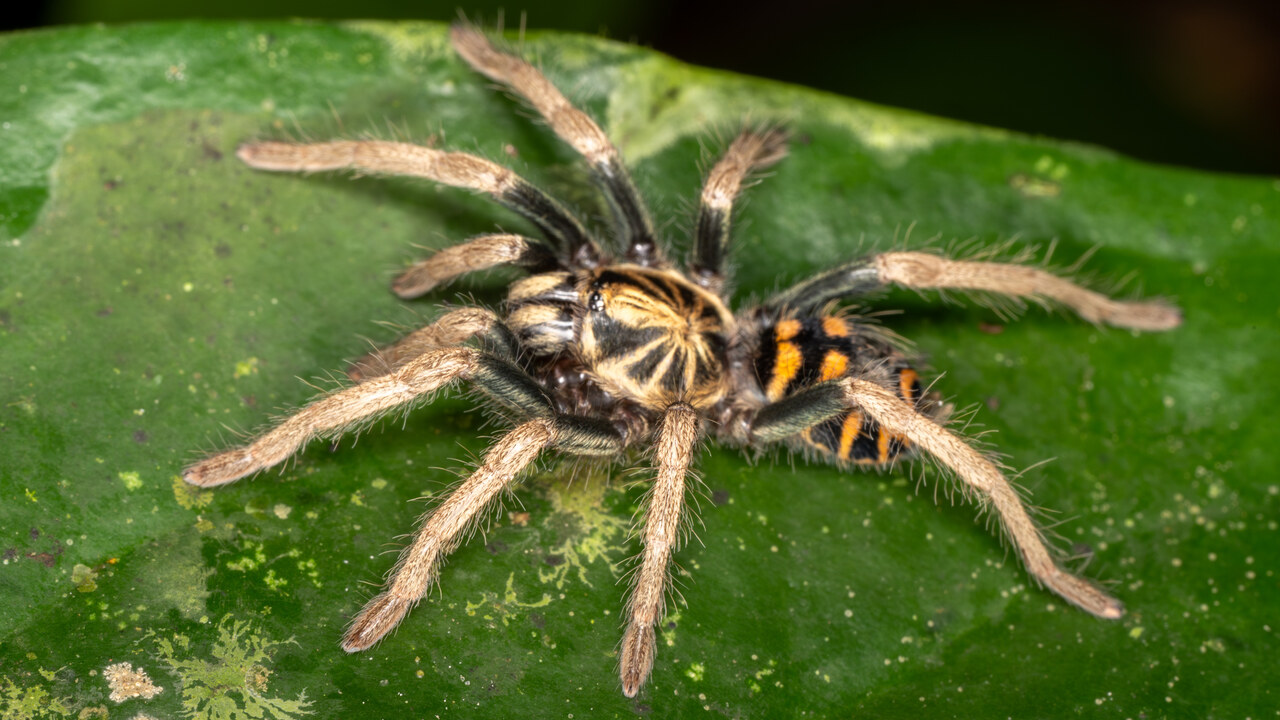
Hapalopus planetearth
Yasuni Bumblebee
Beginner Forgiving of common mistakes. Tolerant of temperature/humidity variation. Great first tarantula. 🌍 Terrestrial Lives on or near the ground. Needs floor space more than height. Falls from height can be fatal - keep décor low. 🌎 New World From the Americas: can flick urticating (irritating) hairs as a first defence, and venom is generally milder. 💨 Skittish Easily startled - may bolt or dart suddenly when disturbed. Secure lids are essential as they can be escape artists. ⚡ Fast Moves very quickly, especially when startled. Can cross an enclosure in the blink of an eye. Not recommended for handling. 🟢 Docile Generally slow-moving and tolerant of handling. Rarely threatens or bites. Great for beginners.- Temp
- 24-28°C
- Humidity
- 70-80%
- Adult DLS
- 10-12 cm
- Moult
- Sling ~3w - Adult ~7mo
The Yasuni Bumblebee (Hapalopus planetearth, described 2025 from Ecuador's Yasuní - named to "celebrate life on our planet"; the trade's "planetearthi" spelling adds an unneeded "i") - dark body, red-orange legs and a crowned carapace pattern that shows even in slings. Genuinely one of the most striking recent descriptions, and priced like it (£225 slings). Warm, damp, quick-growing and flighty rather than defensive - a premium dwarf for collectors who want the newest names.
-
 🌍 Terrestrial
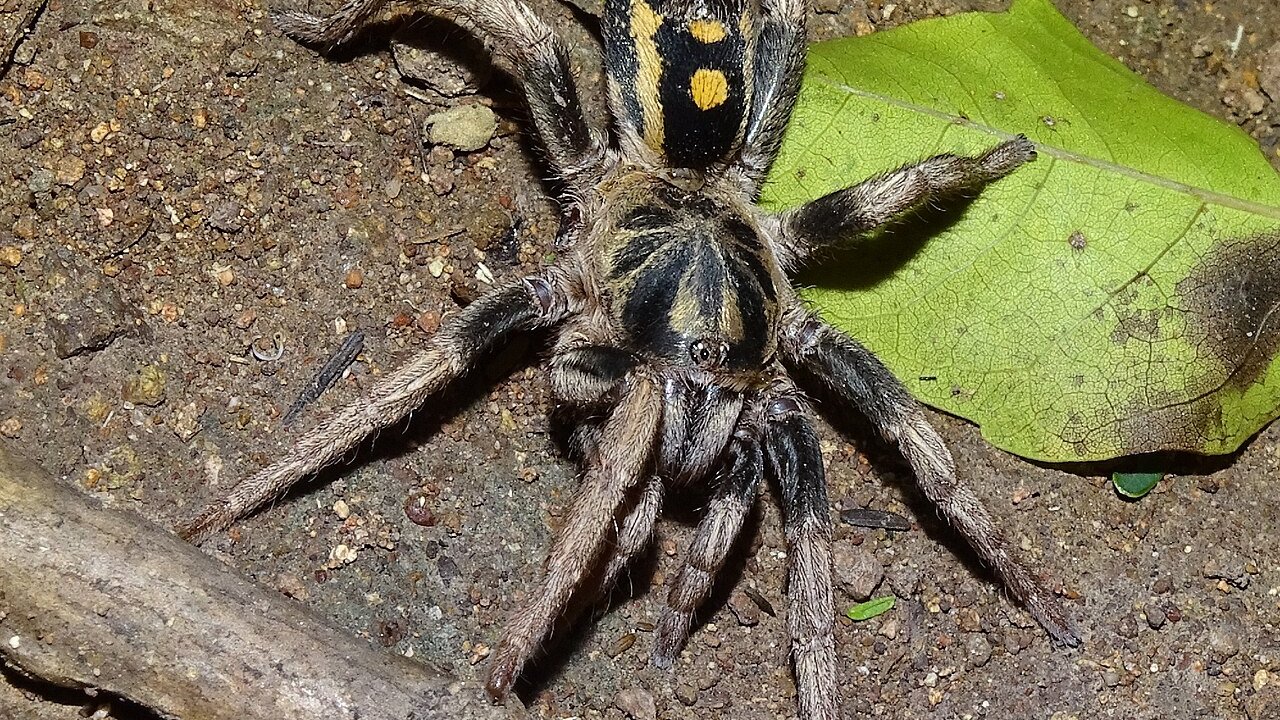
Hapalopus sp. Colombia
Pumpkin Patch (small form)
Beginner Forgiving of common mistakes. Tolerant of temperature/humidity variation. Great first tarantula. 🌍 Terrestrial Lives on or near the ground. Needs floor space more than height. Falls from height can be fatal - keep décor low. 🌎 New World From the Americas: can flick urticating (irritating) hairs as a first defence, and venom is generally milder. 🟢 Docile Generally slow-moving and tolerant of handling. Rarely threatens or bites. Great for beginners. 🍽️ Voracious eater Aggressive feeding response. Will tackle prey eagerly and rarely refuses a meal. Adjust feeding schedule accordingly - overfeeding shortens lifespan.- Temp
- 22-26°C
- Humidity
- 70-80%
- Adult DLS
- 5-7 cm
- Moult
- Sling ~3w - Adult ~3mo
Pumpkin-orange patches on a black background. A small, fast-growing dwarf - perfect for a compact enclosure.
-
🌍 Terrestrial
Hapalopus vangoghi
Fire Red Pumpkin
Beginner Forgiving of common mistakes. Tolerant of temperature/humidity variation. Great first tarantula. 🌍 Terrestrial Lives on or near the ground. Needs floor space more than height. Falls from height can be fatal - keep décor low. 🌎 New World From the Americas: can flick urticating (irritating) hairs as a first defence, and venom is generally milder. 💨 Skittish Easily startled - may bolt or dart suddenly when disturbed. Secure lids are essential as they can be escape artists. ⚡ Fast Moves very quickly, especially when startled. Can cross an enclosure in the blink of an eye. Not recommended for handling. 🟢 Docile Generally slow-moving and tolerant of handling. Rarely threatens or bites. Great for beginners.- Temp
- 20-24°C
- Humidity
- 70-80%
- Adult DLS
- 6-8 cm
- Moult
- Sling ~2w - Adult ~6mo
The Fire Red Pumpkin (Hapalopus vangoghi, 2024 - named for the Van Gogh paint-stroke abdominal pattern; the old hobby label was "Guerilla") - black carapace, fire-red legs and a speckled "gothic patch" abdomen on a 6-8 cm dwarf. Rambles and stays visible, mature females in 2-3 years, cheap at £22 a sling. One of the best small-colour species of the recent description wave - shy and fast-moving, never defensive.
-
🌍 Terrestrial
Hapalotremus hananqheswa
High Valley Blue
Beginner Forgiving of common mistakes. Tolerant of temperature/humidity variation. Great first tarantula. 🌍 Terrestrial Lives on or near the ground. Needs floor space more than height. Falls from height can be fatal - keep décor low. 🌎 New World From the Americas: can flick urticating (irritating) hairs as a first defence, and venom is generally milder. 💨 Skittish Easily startled - may bolt or dart suddenly when disturbed. Secure lids are essential as they can be escape artists. Reclusive- Temp
- 18-24°C
- Humidity
- 70-80%
- Adult DLS
- 8-10 cm
- Moult
- Sling ~4w - Adult ~11mo
The High Valley Blue (Hapalotremus hananqheswa, 2021 - Quechua for "high valley") - a blue Peruvian Andean with a mirror patch, from genuinely high altitude. Cool-kept like its cousin the "Puma" (18-24 °C, no heat mat), skittish and reclusive rather than defensive, with a bank-substrate burrowing habit. Super-rare at £60 a sling and slow-growing - a keeper's piece rather than a starter, despite the easy temperament.
-
🌍 Terrestrial
Hapalotremus sp. Puma
Highland White & Red
Beginner Forgiving of common mistakes. Tolerant of temperature/humidity variation. Great first tarantula. 🌍 Terrestrial Lives on or near the ground. Needs floor space more than height. Falls from height can be fatal - keep décor low. 🌎 New World From the Americas: can flick urticating (irritating) hairs as a first defence, and venom is generally milder. 🟢 Docile Generally slow-moving and tolerant of handling. Rarely threatens or bites. Great for beginners. 🟢 Calm Deliberate and unhurried movements. Not easily startled. Usually sits contentedly in the open. ⏳ Long-lived Females can live 15-30+ years with good care. A significant long-term commitment compared to the 2-5 year male lifespan.- Temp
- 18-22°C
- Humidity
- 70-80%
- Adult DLS
- 10-13 cm
- Moult
- Sling ~4w - Adult ~11mo
The Highland White & Red ("Puma") - an undescribed Andean Hapalotremus from the Cusco highlands of Peru: white legs, blonde carapace, vivid red abdomen, and a rose-gold urticating patch. A cool-kept (18-22 °C), gentle New World oddball that lives under rocks rather than digging - give hides, not deep substrate. Genuinely rare at £65 a sling, and a curious, calm temperament that makes the price feel earned. Highland husbandry: cool, stable, no heat mat.
-
🌍 Terrestrial
Haploclastus sp. Kali
Kali Earth Tiger
Advanced Demanding or potentially dangerous. May be very fast, defensive, or have medically significant venom. Experienced keepers only. 🌍 Terrestrial Lives on or near the ground. Needs floor space more than height. Falls from height can be fatal - keep décor low. 🌍 Old World From Africa, Asia or Australasia: no urticating hairs - defence is speed and a potent bite. Medically significant venom possible. ⚠️ Defensive Will adopt a threat posture (rearing up, showing fangs) when disturbed. May bite if provoked. Approach with care and use a catch cup for rehoming. 🕸️ Heavy webber Dense, prolific webbing behaviour. Will carpet the entire enclosure in thick silk - this is normal and healthy. Provides a visual indicator of the spider's territory. Old world- Temp
- 24-26°C
- Humidity
- 65-75%
- Adult DLS
- 13-15 cm
- Moult
- Sling ~4w - Adult ~10mo
The Kali Earth Tiger - a stunning undescribed Indian Haploclastus (no described species matches; 7 exist in the genus), new enough that the vendor's own temperament field reads "don't know". Early word: similar care to the LSD Earth Tiger (Cilantica devamatha) - deep burrows, defensive Old World manners - but "relatively easy". £40 CB slings; another Western Ghats endemic for advanced keepers.
-
🌍 Terrestrial
Harpactira baviana
Purcell's Baboon
Intermediate Requires consistent husbandry - more sensitive to ventilation, humidity, or feeding schedule. Some experience recommended. 🌍 Terrestrial Lives on or near the ground. Needs floor space more than height. Falls from height can be fatal - keep décor low. 🌍 Old World From Africa, Asia or Australasia: no urticating hairs - defence is speed and a potent bite. Medically significant venom possible. 🟢 Docile Generally slow-moving and tolerant of handling. Rarely threatens or bites. Great for beginners. 🕸️ Heavy webber Dense, prolific webbing behaviour. Will carpet the entire enclosure in thick silk - this is normal and healthy. Provides a visual indicator of the spider's territory. Old world- Temp
- 23-27°C
- Humidity
- 50-60%
- Adult DLS
- 7-9 cm
- Moult
- Sling ~3w - Adult ~10mo
Purcell's Baboon (Harpactira baviana, Purcell 1903 - ignore vendor pages crediting Pocock) - a small, smart South African baboon from semi-arid Karoo scrub, building elaborate tunnel-and-tube web architecture instead of a simple burrow. One of the most manageable Old Worlds: reclusive and docile by baboon standards, no urticating hairs, happy dry. Rare in the UK and priced accordingly (£70 for CB females), but genuinely one of the best 'first African Old World' candidates for keepers wanting webbing behaviour without earth-tiger attitude.
-
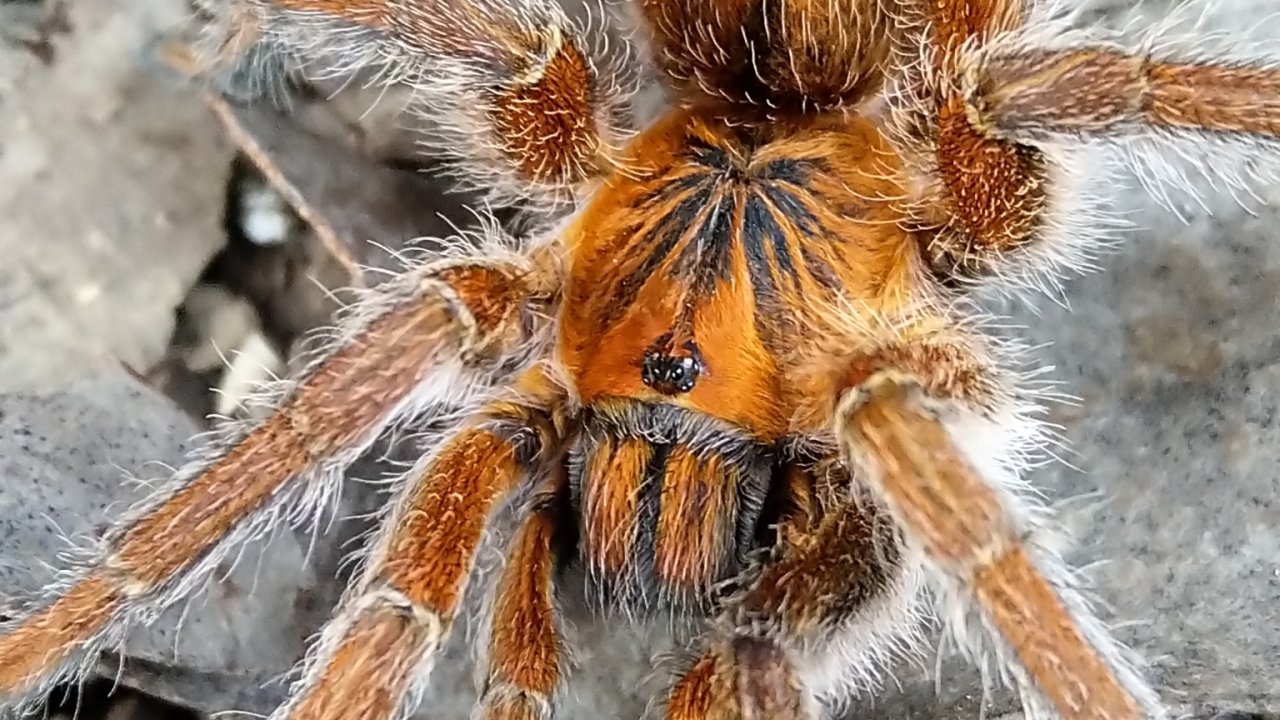 🌍 Terrestrial
Harpactira cafreriana
Cape Copper Baboon
Advanced Demanding or potentially dangerous. May be very fast, defensive, or have medically significant venom. Experienced keepers only. 🌍 Terrestrial Lives on or near the ground. Needs floor space more than height. Falls from height can be fatal - keep décor low. 🌍 Old World From Africa, Asia or Australasia: no urticating hairs - defence is speed and a potent bite. Medically significant venom possible. ⚠️ Defensive Will adopt a threat posture (rearing up, showing fangs) when disturbed. May bite if provoked. Approach with care and use a catch cup for rehoming. ⚡ Fast Moves very quickly, especially when startled. Can cross an enclosure in the blink of an eye. Not recommended for handling. ☠️ Potent venom Possesses medically significant venom. A bite can cause intense pain, muscle cramps, sweating, and may require medical attention. Old World species typically fall here as they lack urticating hairs.- Temp
- 22-28°C
- Humidity
- 60-75%
- Adult DLS
- 13-15 cm
- Moult
- Sling ~3w - Adult ~12mo
Cape baboon - deep dry-to-slightly-damp substrate, water dish. 55-65% humidity suits this savanna species.
-
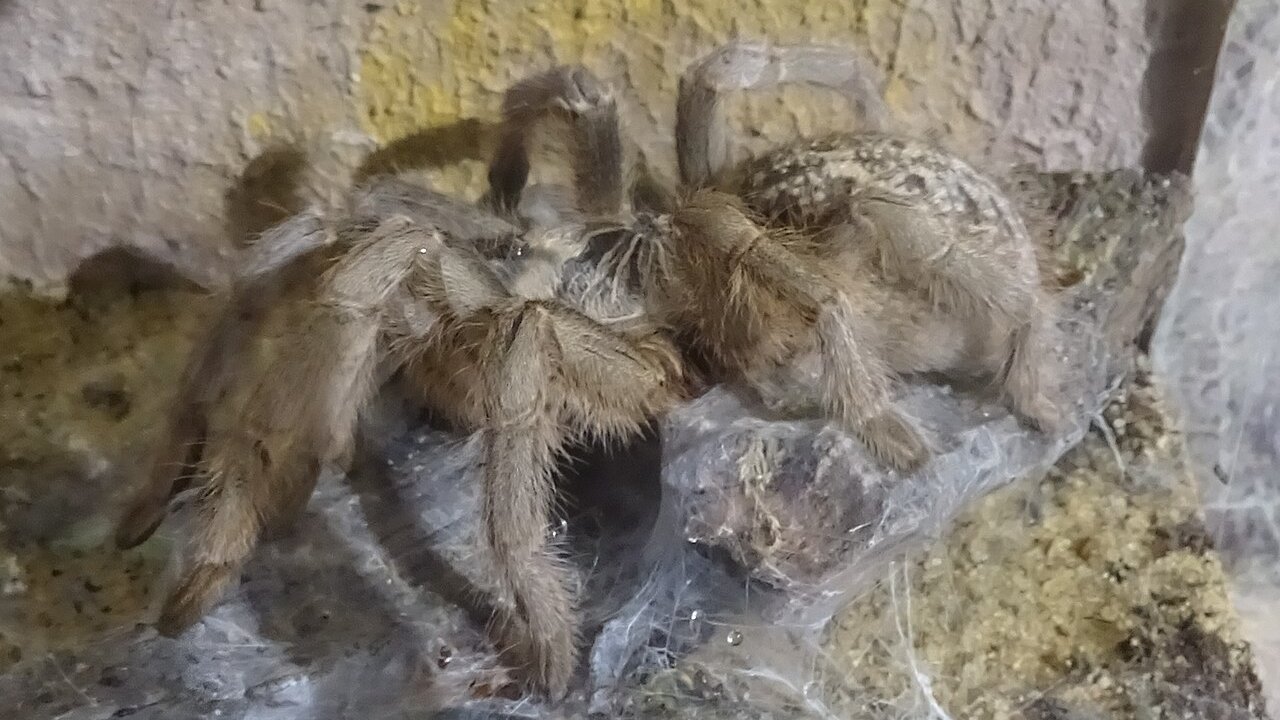 🌍 Terrestrial
Harpactira dictator
Dictator Baboon
Advanced Demanding or potentially dangerous. May be very fast, defensive, or have medically significant venom. Experienced keepers only. 🌍 Terrestrial Lives on or near the ground. Needs floor space more than height. Falls from height can be fatal - keep décor low. 🌍 Old World From Africa, Asia or Australasia: no urticating hairs - defence is speed and a potent bite. Medically significant venom possible. ⚠️ Defensive Will adopt a threat posture (rearing up, showing fangs) when disturbed. May bite if provoked. Approach with care and use a catch cup for rehoming. ⚡ Fast Moves very quickly, especially when startled. Can cross an enclosure in the blink of an eye. Not recommended for handling. ☠️ Potent venom Possesses medically significant venom. A bite can cause intense pain, muscle cramps, sweating, and may require medical attention. Old World species typically fall here as they lack urticating hairs.- Temp
- 22-28°C
- Humidity
- 60-75%
- Adult DLS
- 13-15 cm
- Moult
- Sling ~3w - Adult ~12mo
Dictator baboon - deep substrate, drier side (55-65%). Defensive African; display species.
-
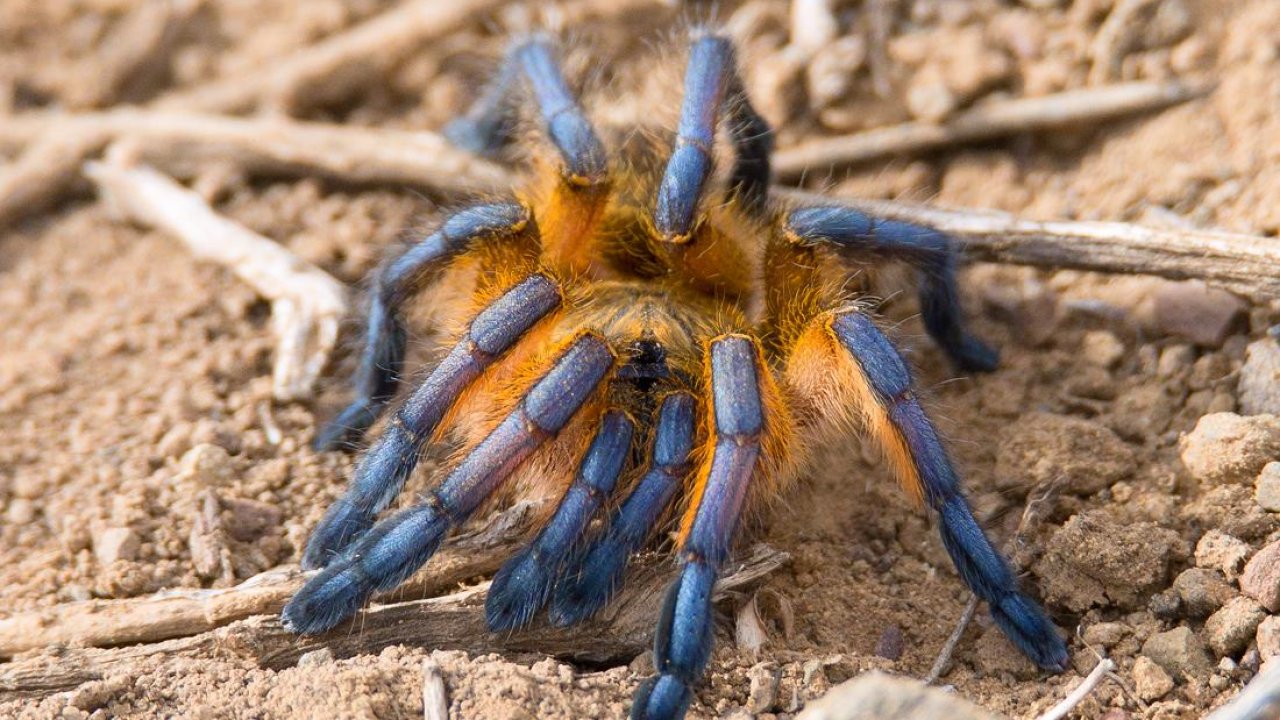 🌍 Terrestrial
Harpactira pulchripes
Golden Blue Leg Baboon
Intermediate Requires consistent husbandry - more sensitive to ventilation, humidity, or feeding schedule. Some experience recommended. 🌍 Terrestrial Lives on or near the ground. Needs floor space more than height. Falls from height can be fatal - keep décor low. 🌍 Old World From Africa, Asia or Australasia: no urticating hairs - defence is speed and a potent bite. Medically significant venom possible. ⚠️ Defensive Will adopt a threat posture (rearing up, showing fangs) when disturbed. May bite if provoked. Approach with care and use a catch cup for rehoming. ⚡ Fast Moves very quickly, especially when startled. Can cross an enclosure in the blink of an eye. Not recommended for handling. ☠️ Potent venom Possesses medically significant venom. A bite can cause intense pain, muscle cramps, sweating, and may require medical attention. Old World species typically fall here as they lack urticating hairs.- Temp
- 24-28°C
- Humidity
- 50-65%
- Adult DLS
- 12-14 cm
- Moult
- Sling ~3w - Adult ~9mo
Sun-gold carapace and blue-metallic legs. Relatively calm for an Old World baboon; likes dry substrate.
-
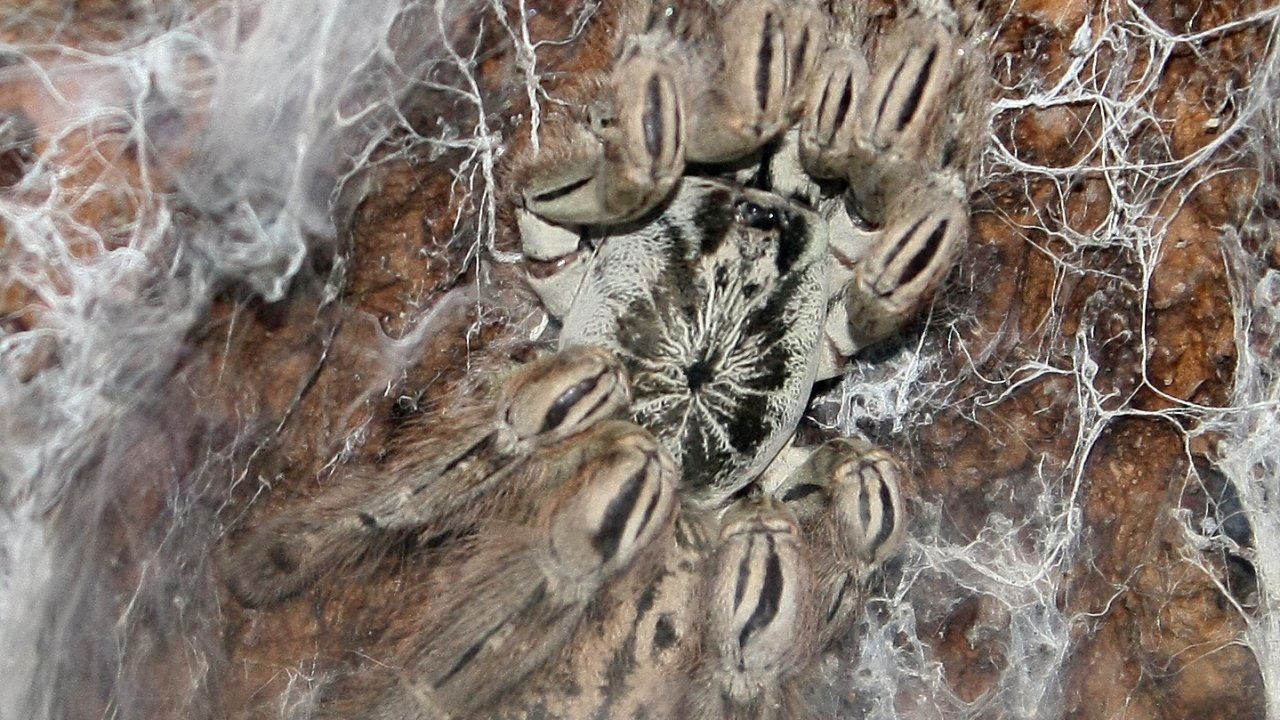 🌳 Arboreal
Heteroscodra maculata
Togo Starburst Baboon
Advanced Demanding or potentially dangerous. May be very fast, defensive, or have medically significant venom. Experienced keepers only. 🌳 Arboreal Lives above ground in trees or plants. Needs height and vertical climbing surfaces. Secure lid essential - they climb glass. 🌍 Old World From Africa, Asia or Australasia: no urticating hairs - defence is speed and a potent bite. Medically significant venom possible. ⚠️ Defensive Will adopt a threat posture (rearing up, showing fangs) when disturbed. May bite if provoked. Approach with care and use a catch cup for rehoming. ⚡ Fast Moves very quickly, especially when startled. Can cross an enclosure in the blink of an eye. Not recommended for handling. ☠️ Potent venom Possesses medically significant venom. A bite can cause intense pain, muscle cramps, sweating, and may require medical attention. Old World species typically fall here as they lack urticating hairs. 🕸️ Heavy webber Dense, prolific webbing behaviour. Will carpet the entire enclosure in thick silk - this is normal and healthy. Provides a visual indicator of the spider's territory.- Temp
- 24-28°C
- Humidity
- 60-70%
- Adult DLS
- 12-14 cm
- Moult
- Sling ~3w - Adult ~8mo
Starry-patterned Old World arboreal from West Africa. Fast, defensive, and a powerful bite.
-
🌍 Terrestrial
Heterothele gabonensis
Gabon Blue Dwarf
Beginner Forgiving of common mistakes. Tolerant of temperature/humidity variation. Great first tarantula. 🌍 Terrestrial Lives on or near the ground. Needs floor space more than height. Falls from height can be fatal - keep décor low. 🌍 Old World From Africa, Asia or Australasia: no urticating hairs - defence is speed and a potent bite. Medically significant venom possible. 💨 Skittish Easily startled - may bolt or dart suddenly when disturbed. Secure lids are essential as they can be escape artists. ⚡ Fast Moves very quickly, especially when startled. Can cross an enclosure in the blink of an eye. Not recommended for handling. 🕸️ Heavy webber Dense, prolific webbing behaviour. Will carpet the entire enclosure in thick silk - this is normal and healthy. Provides a visual indicator of the spider's territory. Dwarf- Temp
- 22-28°C
- Humidity
- 65-80%
- Adult DLS
- 5-8 cm
- Moult
- Sling ~2w - Adult ~3mo
The Gabon Blue Dwarf - a 5-7 cm African jewel with cobalt-blue legs and a metallic gold carapace, draping its enclosure in dense web curtains within weeks. One of the few tarantulas with genuine communal potential (wild colonies and successful communal setups are documented), though crowding always risks cannibalism - give space, hides and anchor points. Fast, flighty and completely uninterested in biting. A fascinating dwarf for keepers who like webbing, breeding projects or colony experiments, appearing irregularly as CB stock.
-
 🌍 Terrestrial
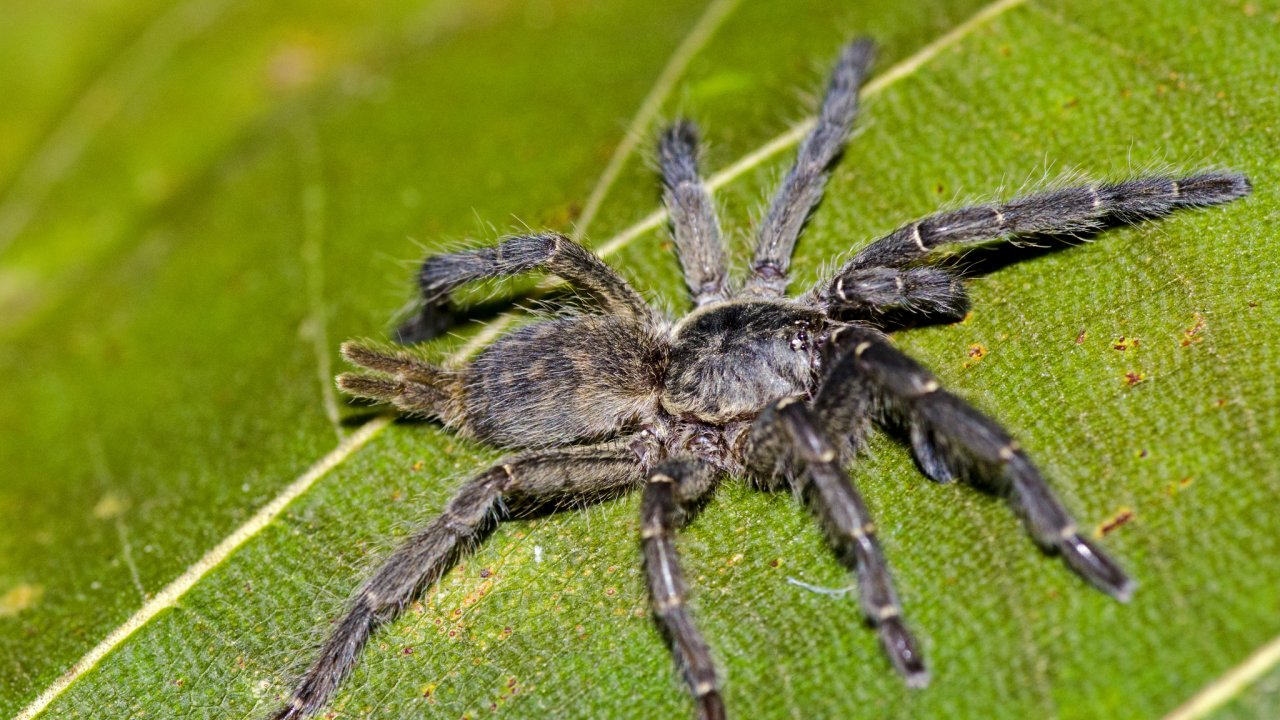
Heterothele villosella
Tanzania Mustard Dwarf
Intermediate Requires consistent husbandry - more sensitive to ventilation, humidity, or feeding schedule. Some experience recommended. 🌍 Terrestrial Lives on or near the ground. Needs floor space more than height. Falls from height can be fatal - keep décor low. 🌍 Old World From Africa, Asia or Australasia: no urticating hairs - defence is speed and a potent bite. Medically significant venom possible. ⚡ Fast Moves very quickly, especially when startled. Can cross an enclosure in the blink of an eye. Not recommended for handling. 💨 Skittish Easily startled - may bolt or dart suddenly when disturbed. Secure lids are essential as they can be escape artists. 🕸️ Heavy webber Dense, prolific webbing behaviour. Will carpet the entire enclosure in thick silk - this is normal and healthy. Provides a visual indicator of the spider's territory. 👥 Communal (possible) Can sometimes be kept in groups with careful management (ample space, consistent food, siblings raised together). Not guaranteed - always have backup enclosures ready. 🍽️ Voracious eater Aggressive feeding response. Will tackle prey eagerly and rarely refuses a meal. Adjust feeding schedule accordingly - overfeeding shortens lifespan.- Temp
- 24-28°C
- Humidity
- 60-70%
- Adult DLS
- 4-6 cm
- Moult
- Sling ~3w - Adult ~3mo
Small fast-growing dwarf that thrives communally. Prolific webber; great for compact setups.
-
 🌍 Terrestrial
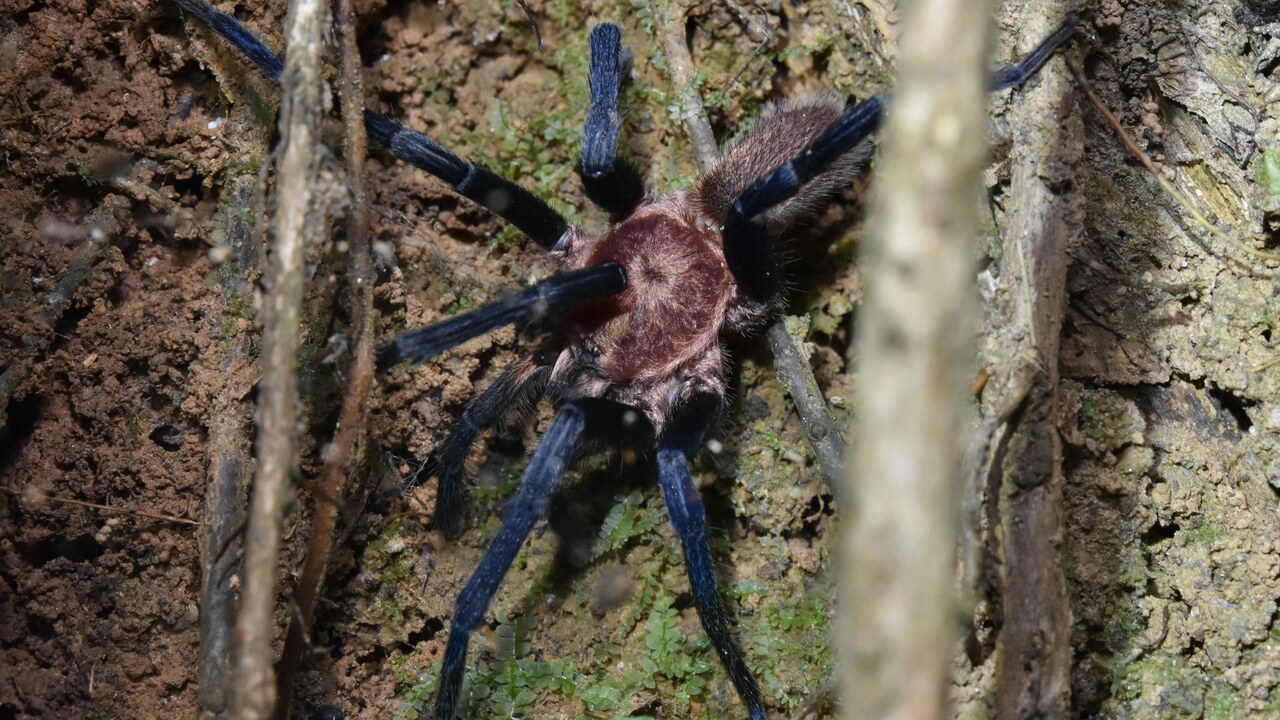
Holothele longipes
Trinidad Pink
Beginner Forgiving of common mistakes. Tolerant of temperature/humidity variation. Great first tarantula. 🌍 Terrestrial Lives on or near the ground. Needs floor space more than height. Falls from height can be fatal - keep décor low. 🌎 New World From the Americas: can flick urticating (irritating) hairs as a first defence, and venom is generally milder. 🟢 Docile Generally slow-moving and tolerant of handling. Rarely threatens or bites. Great for beginners. ⚡ Fast Moves very quickly, especially when startled. Can cross an enclosure in the blink of an eye. Not recommended for handling. 🕸️ Heavy webber Dense, prolific webbing behaviour. Will carpet the entire enclosure in thick silk - this is normal and healthy. Provides a visual indicator of the spider's territory. Dwarf- Temp
- 21-27°C
- Humidity
- 75-85%
- Adult DLS
- 5-7 cm
- Moult
- Sling ~2w - Adult ~3mo
The Trinidad Pink - a hummingbird-sized dwarf from its namesake island that glows coral-pink across carapace and abdomen for weeks after each moult. A Neoholothele-style whirlwind: fast-growing, heavy-webbing, tunnels through its substrate like a miniature earthmover, and matures in about a year. Docile but far too quick and fragile to handle. A perfect "little sparkler" species for dwarf fans - cheap, charming and constantly busy.


